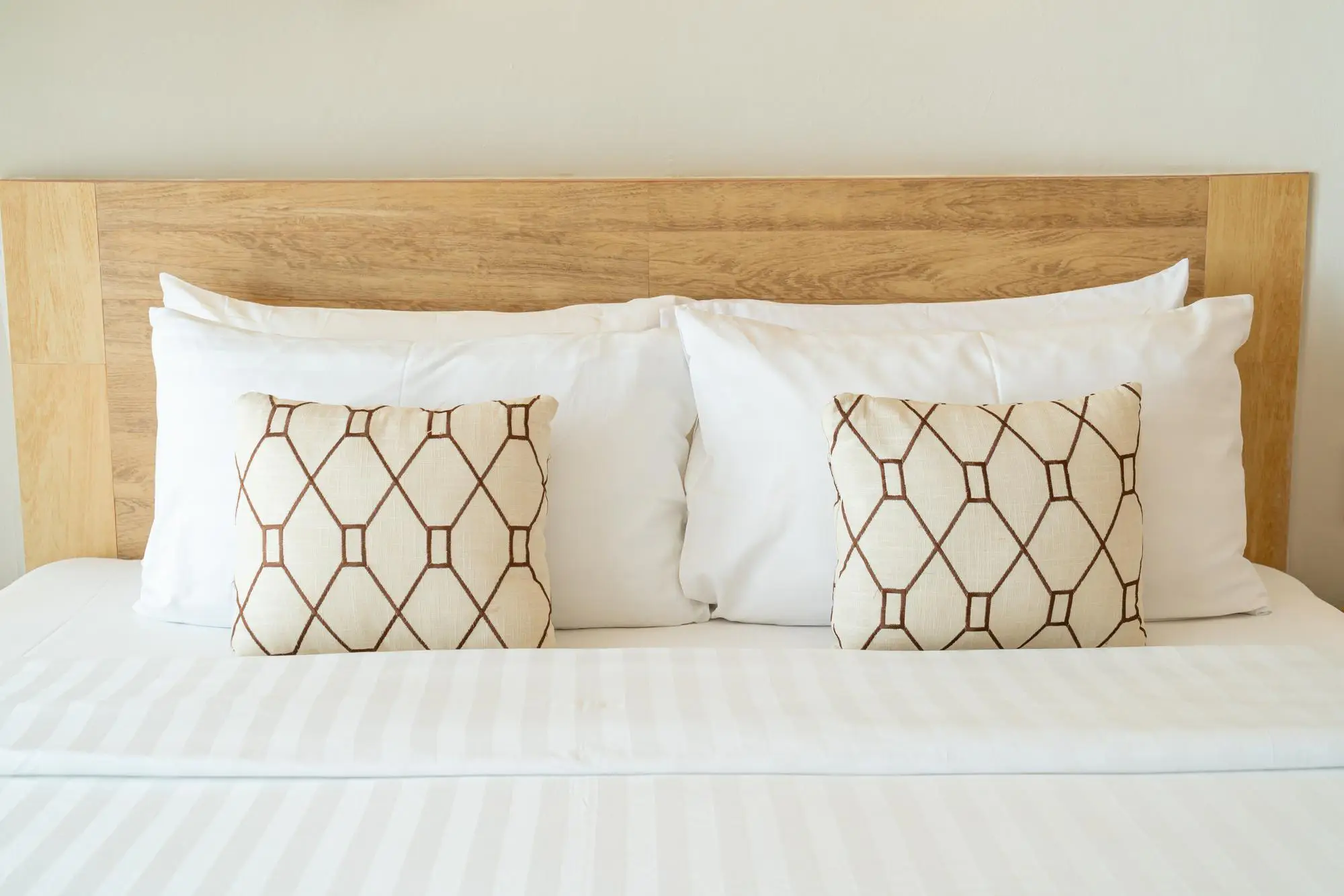
When improving sleep quality, most people focus on mattresses or pillows, but often overlook an equally important component: the pillow cover. Bamboo pillow covers have gained popularity because they combine comfort, health benefits, and sustainability in a single solution. Since pillow covers remain in direct contact with the skin and hair for several hours each night, their material directly affects temperature, hygiene, and overall sleep experience. Choosing the right fabric can therefore create a gradual but meaningful improvement in how you rest over time.
BREATHABILITY: how bamboo regulates temperature
One of bamboo’s most important characteristics is its breathability. Unlike many synthetic fabrics, bamboo fibers allow better airflow, which helps maintain a stable temperature throughout the night. This reduces moisture buildup and prevents overheating, particularly for individuals who tend to sleep hot or live in warm environments. As a result, the sleep environment becomes more balanced, supporting deeper and more consistent sleep cycles. Over time, this type of thermal regulation not only enhances immediate comfort but also contributes to improved sleep quality overall.

HYGIENE: hypoallergenic properties
Another key advantage of bamboo pillow covers is their ability to promote a cleaner sleep environment. Bamboo naturally resists bacteria and common irritants, helping reduce the presence of dust mites, mold, and allergens. This makes bamboo covers particularly beneficial for individuals with allergies, asthma, or sensitive skin, as they minimize prolonged exposure to irritants during sleep. By maintaining a cleaner surface, bamboo pillow covers support both comfort and respiratory well-being, reinforcing their role beyond simple protection.
COMFORT: functional softness for skin and hair
Bamboo fabric is widely appreciated for its softness, but its value extends beyond tactile comfort. Its smooth surface reduces friction between the fabric and both skin and hair, which can help prevent sleep lines and maintain a more even skin appearance. For hair, reduced friction translates into less frizz, fewer tangles, and minimized breakage. This makes bamboo pillow covers a practical addition to a nighttime routine, offering passive care benefits without requiring additional products or effort.
SUSTAINABILITY: environmental impact
From an environmental perspective, bamboo is considered one of the most sustainable textile resources. It grows rapidly without the need for constant replanting, requires less water than traditional crops, and typically involves fewer pesticides. Additionally, bamboo regenerates naturally, making it a highly renewable material. For consumers seeking more responsible options, bamboo pillow covers represent a practical way to align everyday choices with environmental awareness.

PRACTICALITY: what to consider before choosing
Despite its advantages, there are important considerations before purchasing bamboo pillow covers. Not all products are made from 100% bamboo; some are blended with other materials, which can alter breathability, softness, and durability. Checking the fabric composition ensures that expectations align with the actual product. Proper care is also essential to maintain performance. Washing in cold water, using mild detergents, and avoiding high heat drying help preserve the fabric’s natural qualities. Without appropriate care, the fibers may degrade over time, reducing effectiveness.
SATISFACTION: integrating bamboo into your sleep routine
The benefits of bamboo pillow covers become more noticeable with consistent use. Over time, users often experience improved temperature comfort, a fresher sleep surface, and reduced irritation. To maximize these benefits, it is advisable to pair the cover with a supportive pillow and maintain a regular cleaning routine. Paying attention to how your body responds can also help determine whether the material meets your specific needs.
A practical and responsible choice Bamboo pillow covers offer a balanced combination of comfort, hygiene, and sustainability. Their ability to regulate temperature, provide a cleaner sleep surface, and reduce friction for skin and hair makes them a functional upgrade for better sleep. In addition, their low environmental impact supports a more responsible consumption approach. Overall, they represent a simple yet effective way to enhance sleep quality over time.

In a world that constantly prioritizes productivity, sleep is often the first thing people sacrifice. Many focus on improving their diet, exercising regularly, or maintaining healthy habits, assuming these alone are sufficient. However, there is one factor that supports all of them: sleep. Sleep is not simply rest; it is a complex biological process that allows the body to reset each day.
During sleep, the body regulates essential functions such as hormone production, cellular repair, memory consolidation, and immune system strengthening. When this process is disrupted, even the best habits lose effectiveness. Understanding the role of sleep can fundamentally change how long-term health is approached.
HORMONAL BALANCE: the invisible impact of sleep
While we sleep, the body regulates key hormones that control appetite, stress, and energy levels. Two of the most important are ghrelin, which stimulates hunger, and leptin, which signals fullness. When sleep is insufficient, ghrelin increases and leptin decreases, leading to increased hunger and reduced satisfaction after eating.
This imbalance is strongly associated with increased appetite, cravings for high-calorie foods, and difficulty managing body weight. Sleep also affects cortisol, the body’s primary stress hormone. When sleep is inadequate, cortisol levels remain elevated, contributing to fatigue, anxiety, and reduced focus. In practical terms, sleep acts as a central regulator of the hormonal system.
COGNITIVE FUNCTION: how sleep optimizes the brain
The brain remains highly active during sleep. During deep sleep stages, it processes information, consolidates memories, and regulates emotions. This is why, after a good night’s sleep, people often feel mentally sharper, more creative, and better equipped to make decisions.
In contrast, insufficient sleep leads to difficulty concentrating, memory lapses, slower thinking, and impaired decision-making. Scientific evidence shows that severe sleep deprivation can affect cognitive performance similarly to mild intoxication. Sleep is therefore essential for optimal brain function.

IMMUNE SYSTEM: natural defense during rest
The immune system relies heavily on quality sleep. During deep sleep, the body produces proteins called cytokines, which play a critical role in fighting infection and inflammation. When sleep is insufficient, cytokine production decreases, weakening immune response.
This explains why people who sleep poorly tend to get sick more frequently. Sleep not only supports recovery but also acts as a preventive mechanism. Getting enough rest is one of the most effective and natural ways to strengthen the body’s defenses.
PHYSICAL HEALTH: recovery and performance
Sleep is also essential for overall physical health. During the night, the body enters a state of active repair that affects multiple systems. Proper sleep helps regulate blood pressure and heart rhythm, reducing cardiovascular risk. It also plays a role in metabolic function, influencing how the body stores fat and uses energy.
Additionally, growth hormone is released during sleep, supporting tissue repair and muscle recovery. Without adequate sleep, the body cannot recover efficiently, which impacts both physical performance and daily energy levels.

SLEEP AS A PILLAR: the base of a healthy lifestyle
Many people believe that health is built mainly through diet and exercise. However, sleep is the foundation that supports both. A person may follow a structured diet, exercise consistently, and take supplements, but without proper sleep, the body will not perform at its full potential.
Sleep directly influences metabolism, energy levels, hormonal regulation, mental clarity, and physical recovery. For this reason, experts increasingly consider sleep one of the three fundamental pillars of health, alongside nutrition and physical activity.
PRACTICAL HABITS: how to improve sleep quality
Improving sleep quality often requires simple but consistent adjustments. Maintaining regular sleep and wake schedules helps regulate the body’s internal clock. Reducing screen exposure before bedtime is important, as blue light interferes with melatonin production. Creating a sleep-friendly environment that is dark, quiet, and cool promotes deeper rest. Avoiding stimulants such as caffeine at night and adopting relaxing routines like reading or meditation can also support better sleep. In many cases, the most effective improvement in overall health begins with something as simple as a good night’s sleep.

When you think about truly restorative sleep, your cervical pillow plays a bigger role than you realize. The right cervical pillow supports your neck, keeps your spine aligned, and directly affects how rested you feel every morning.
Embrace your pillow’s lifespan
At Lil Angel Pillows, we believe that understanding your cervical pillow is the first step to sleeping better. When you know how long a orthopedic pillow can truly serve you, you can protect your investment and avoid waking up with “mysterious” neck pains. Pillow lifespan becomes part of your sleep routine, just like washing your sheets or dimming the lights before bed. Sleep experts generally recommend replacing most pillows around every one to two years, because support, hygiene, and comfort slowly decline with daily use. Fillings compress, fabrics absorb sweat and oils, and tiny particles accumulate in the layers closest to your face. Even if your pillow still looks fine at a glance, it may no longer be doing its job as quietly and efficiently as it did when it was new.
PERFORMANCE: how long can a cervical pillow really support you?
The first dimension of lifespan is performance. A new pillow should hold your head at the right height, keep your neck in a neutral position, and help your cervical spine stay aligned. Over time, you might notice that you need to fold, punch, or stack your pillow to feel supported. That is your body telling you that the internal structure is breaking down.
Different materials age at different speeds. Basic synthetic-fill pillows often feel wonderful for a short time, then quickly become flat or uneven. Standard memory-foam pillows tend to last longer, but softer foams can sag with constant pressure. Premium foams and latex are more resilient and can stay supportive for several years when cared for properly.
COMFORT: why the rigth cervical pillow is more than softness
Comfort is not just softness. Real comfort is the combination of softness and correct support. A very soft pillow that collapses under the weight of your head may feel cozy at first, but if it allows your neck to bend out of alignment, it can eventually cause stiffness or headaches. As your Orthopedic pillow ages, that balance changes. You may catch yourself waking up to adjust the pillow or pushing it into strange shapes just to feel okay. Those are clear signs that your pillow is past its comfort peak and probably past its ideal lifespan.

PRACTICALITY: hygiene, allergies, and real-life use
Practical lifespan is also about hygiene. Cervical pillows rest very close to your nose, mouth, eyes, and skin for hours every night. Over months and years, they naturally collect sweat, skin oils, dead skin cells, and dust, which can be especially troublesome for people with allergies, asthma, or sensitive skin.
Using a protective zippered cover and washing your pillowcase weekly extend the life of the pillow and keep it fresher. But even with good care, no pillow can last forever in terms of cleanliness. If you notice yellow stains, a musty smell, or more sneezing and congestion at night, your pillow may be telling you that its practical lifespan has ended, even if it still feels reasonably comfortable.
SATISFACTION: how to help your cervical pillow live its best years
We design Lil Angel products carefully because we know that a well-built pillow plus good habits equals more years of healthy use. A few simple steps make a big difference:
- Use a high-quality pillow protector under your pillowcase to block sweat and dust from reaching the core.
- Follow the care instructions—some fills can be machine washed, while solid memory foam should be spot-cleaned only.
- Every few months, check: does it still cradle your neck, or do you wake up hunting for a comfortable position?

SATISFACTION: listen to how your body wakes up
The most important measure of pillow lifespan is not the date of purchase; it is the way you feel when you wake up. If your pillow is fairly new but you already notice a tight neck, a dull headache, or tension in your shoulders, it may not be the right shape or material for you. If your cervical pillow is a few years old and your sleep quality is slowly declining, it may simply be too old to keep doing its job. Your muscles and joints will often tell you the truth long before the pillow looks “old” on the outside.

So, how many years should your pillow last?
For standard, everyday pillows, planning a replacement about every one to two years is a smart baseline. For high-quality, medical-grade designs like Lil Angel’s cervical memory-foam support, you can realistically expect a longer useful life—often three, four, or even five years of consistent support when the pillow is protected and cared for properly. The better the materials and the better your care, the more years you will enjoy.
But in the end, the right moment to replace an orthopedic pillow is whenever it stops helping you wake up well. If you are constantly adjusting it, if your neck hurts in the morning, if allergies flare at night, or if the pillow no longer feels clean and supportive, that is your cue. A pillow is a relatively small upgrade that can transform how every single day begins. That simple decision can change the way you rest.
At Lil Angel Pillows, our goal is to respect both your rest and your investment. That is why we design medical-grade cervical pillows with carefully engineered memory foam, breathable cotton pillowcases, and a unique system that keeps support exactly where your neck needs it all night long. When you choose quality, understand your pillow’s lifespan, and replace it at the right time, you are not just buying a product—you are giving your body the chance to sleep, heal, and wake up the way it was meant to.