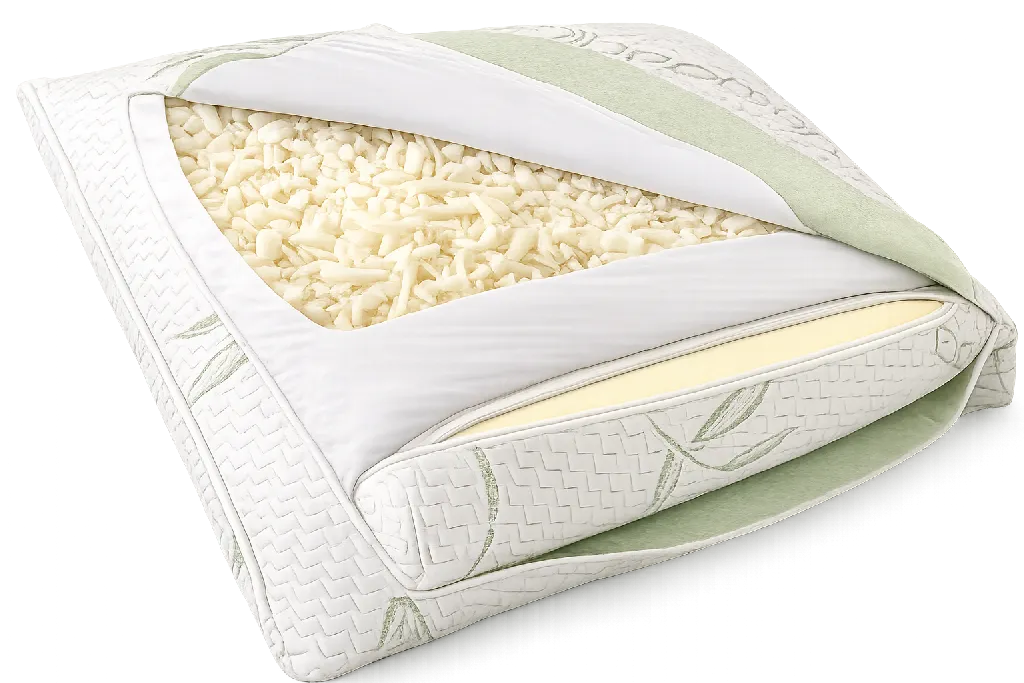
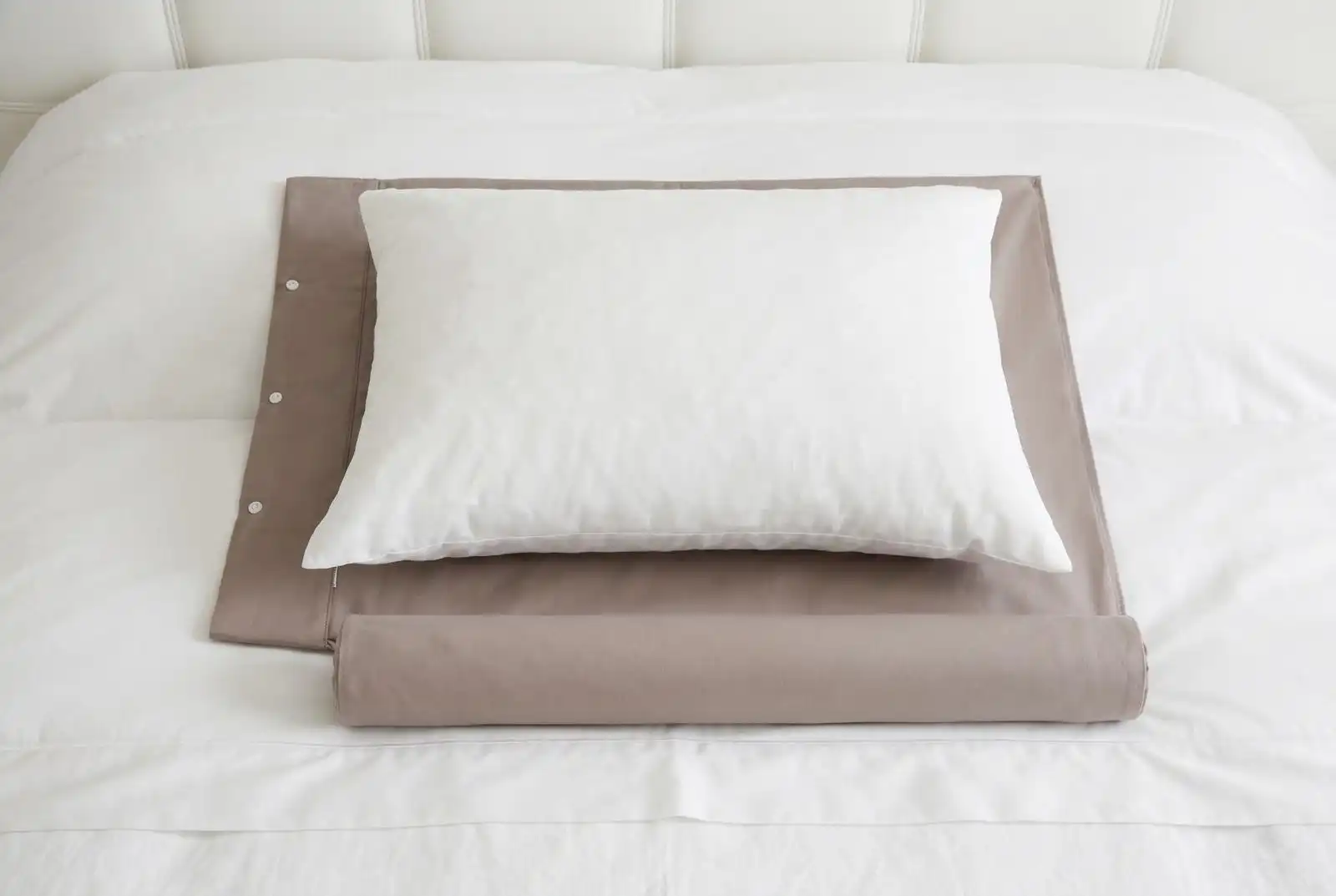
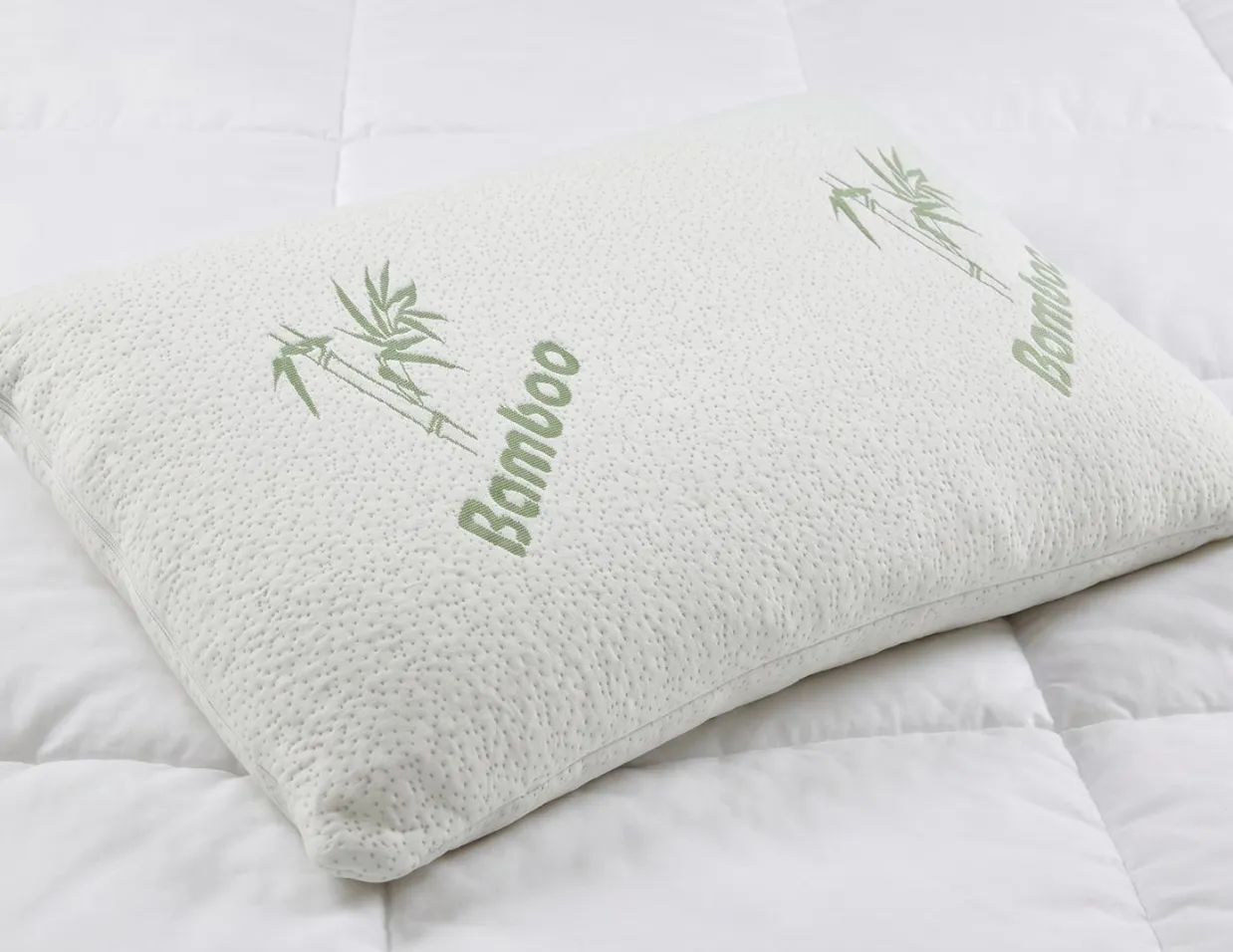
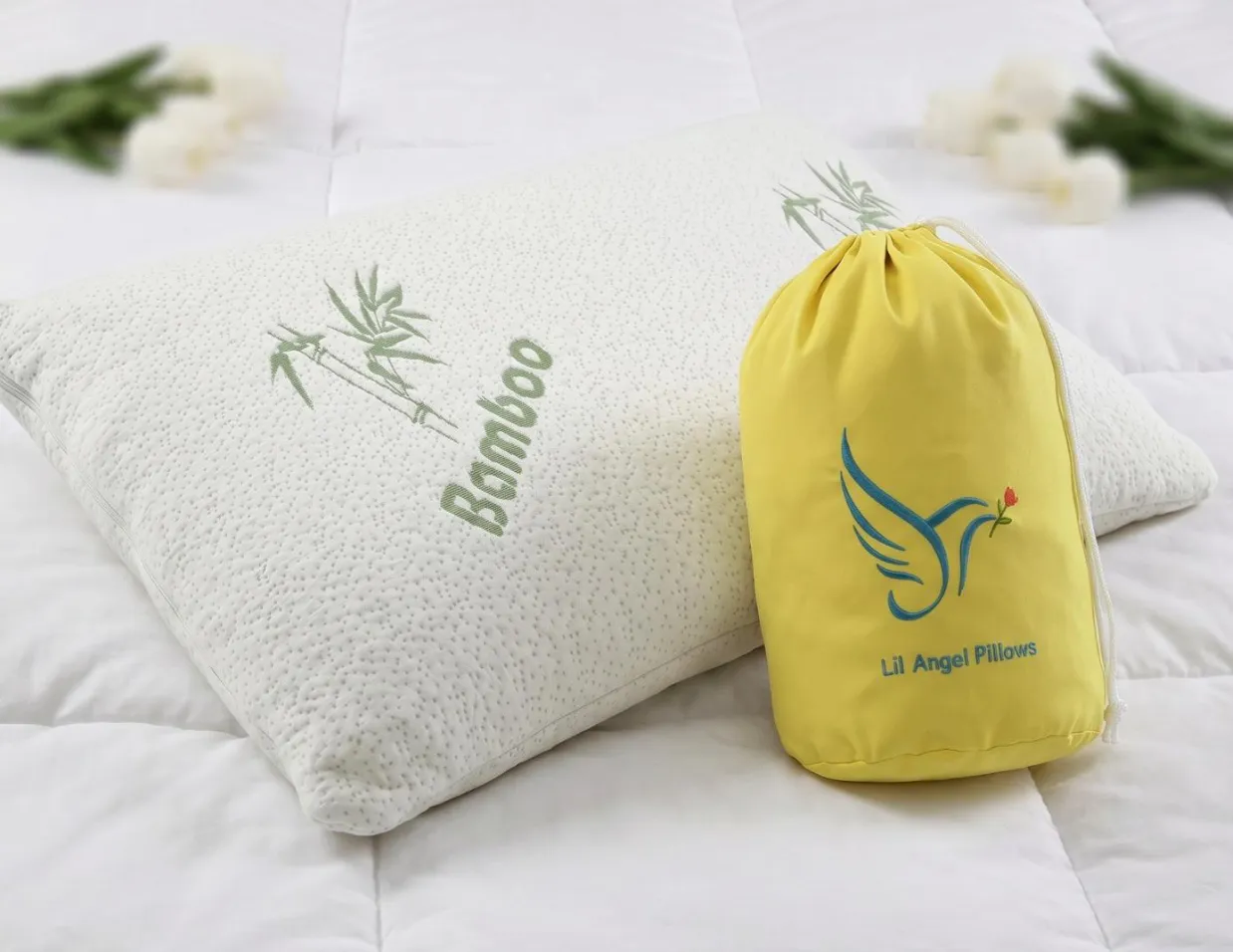
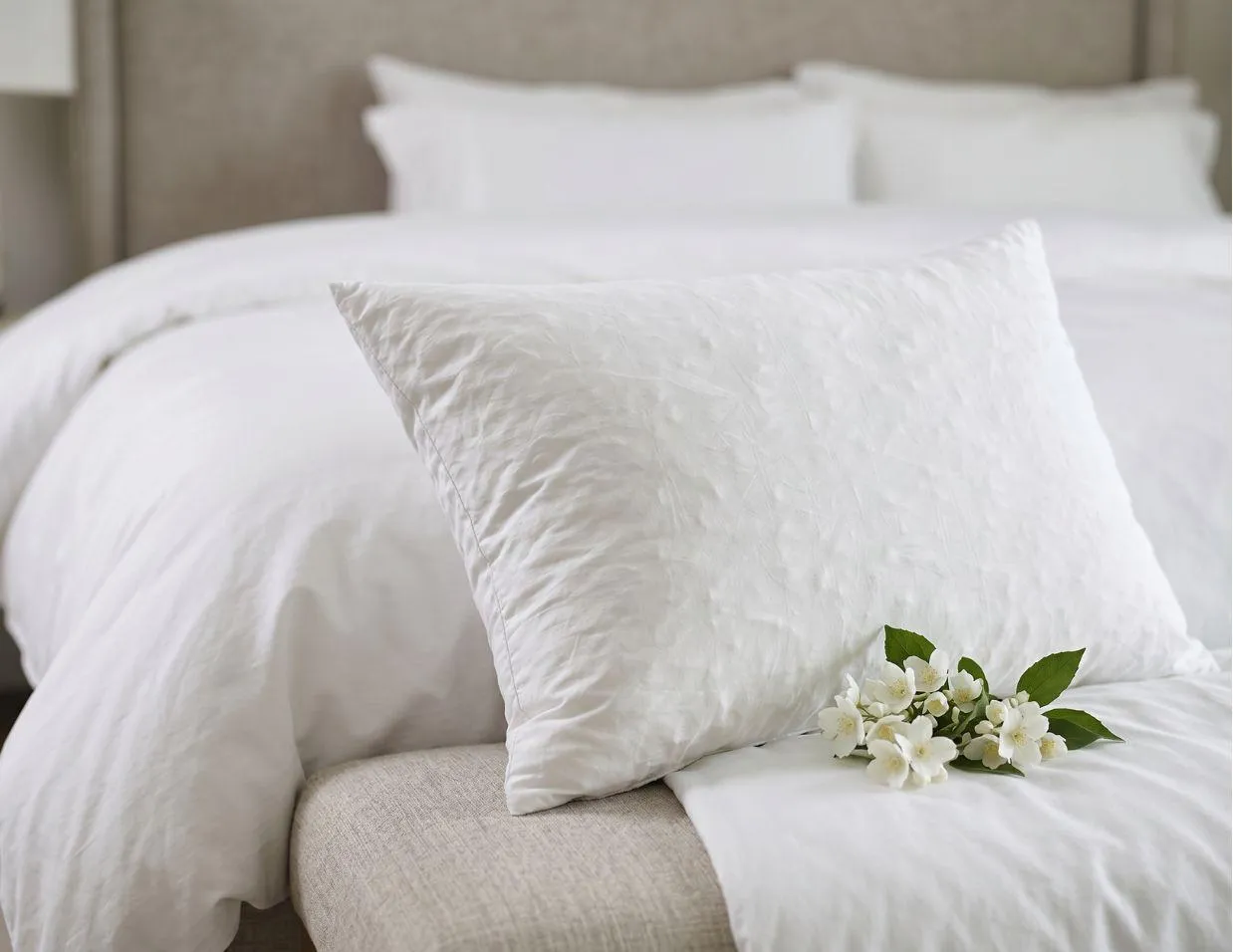
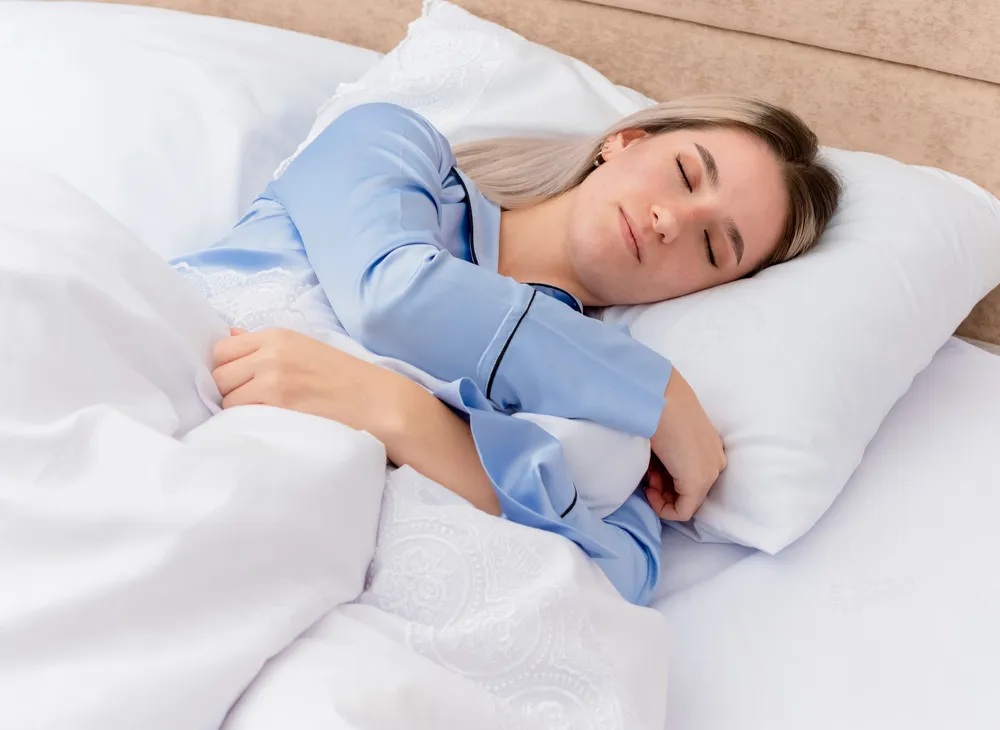
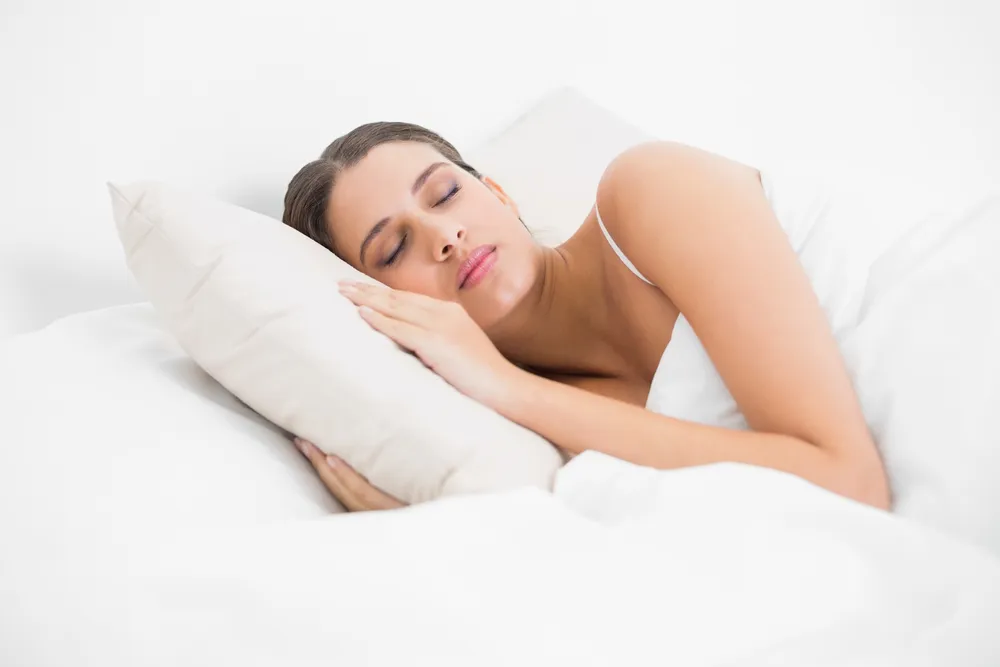
Lil Angels is a slow rebound memory foam pillow, specially designed to fit the curve of your neck and support your head, whether you sleep on your back, side, or stomach.
Understand them, answer them, and enjoy sleep as it was meant to be.
Comfort
Lil Angels Pillow is ergonomically designed for your comfort and health.
Practicality
Keep your pillow. Protect your neck. You know what you like to sleep on.
Care
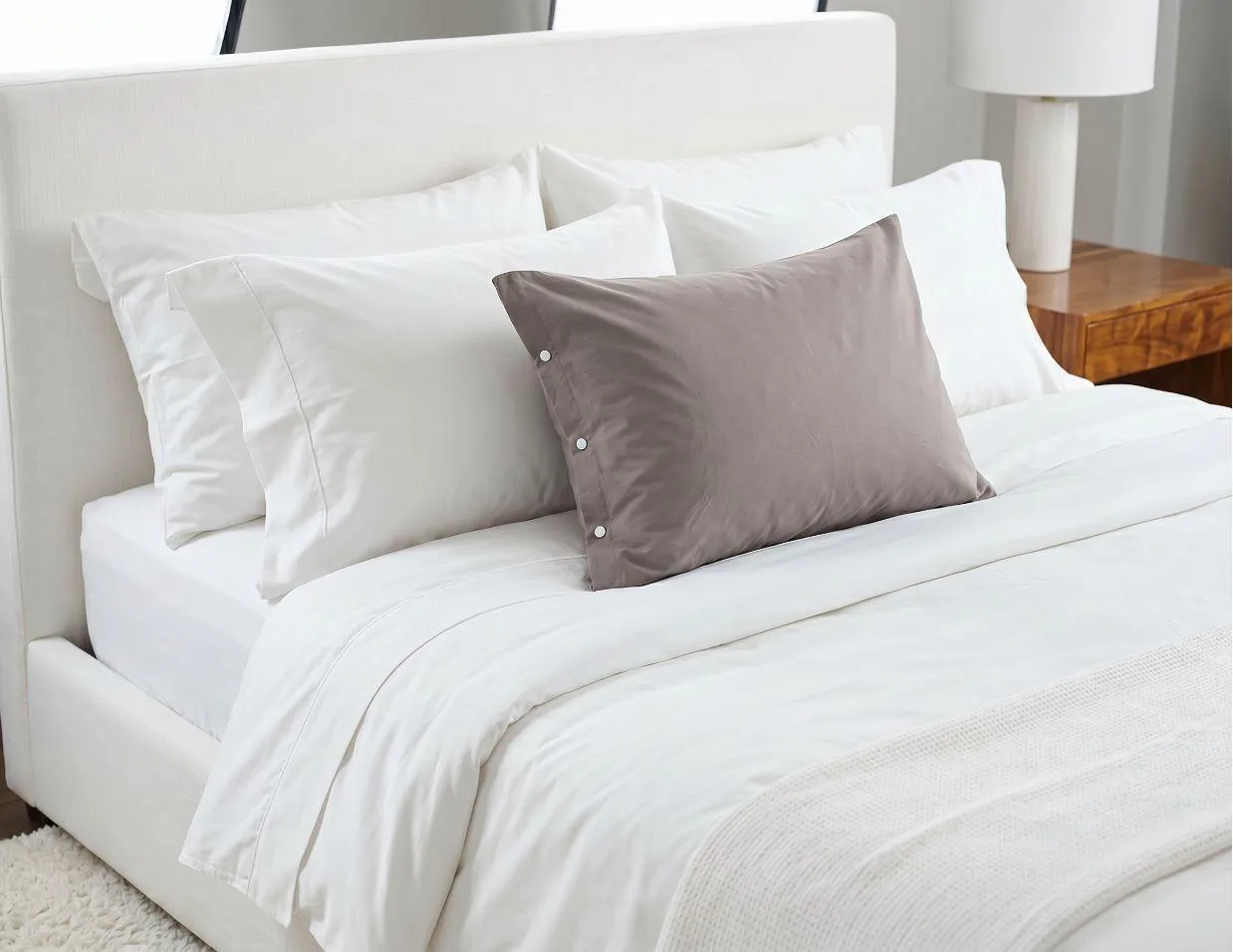
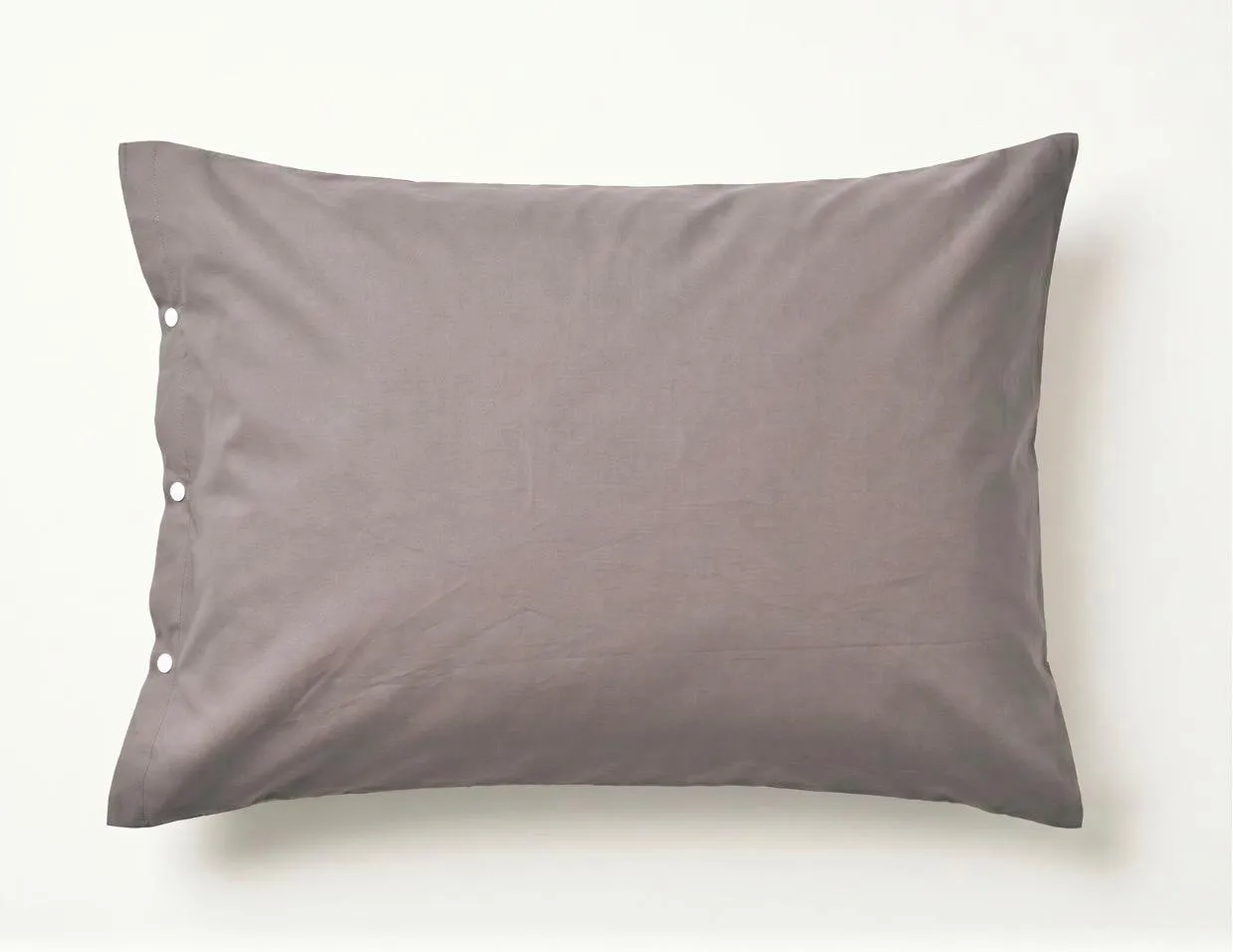
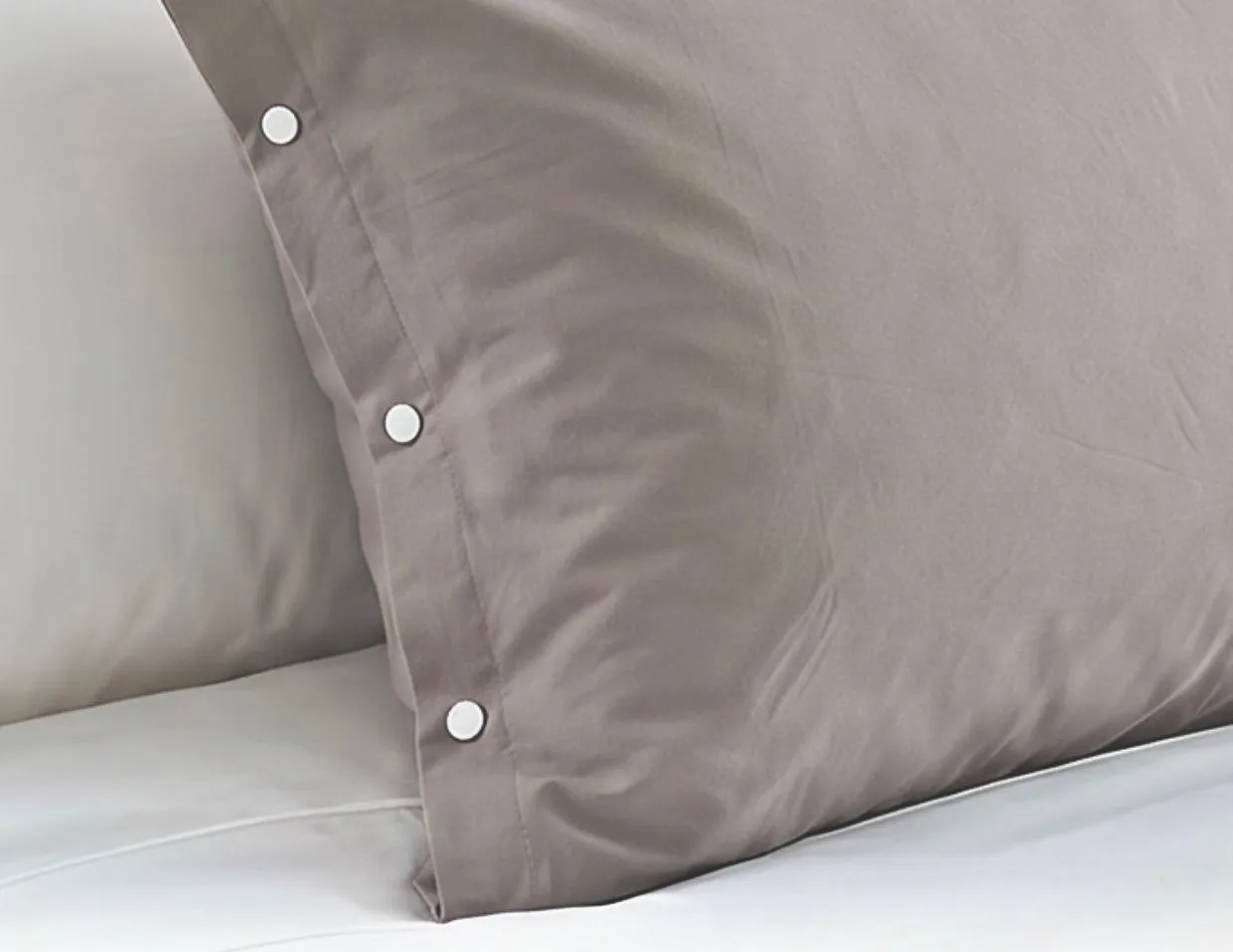
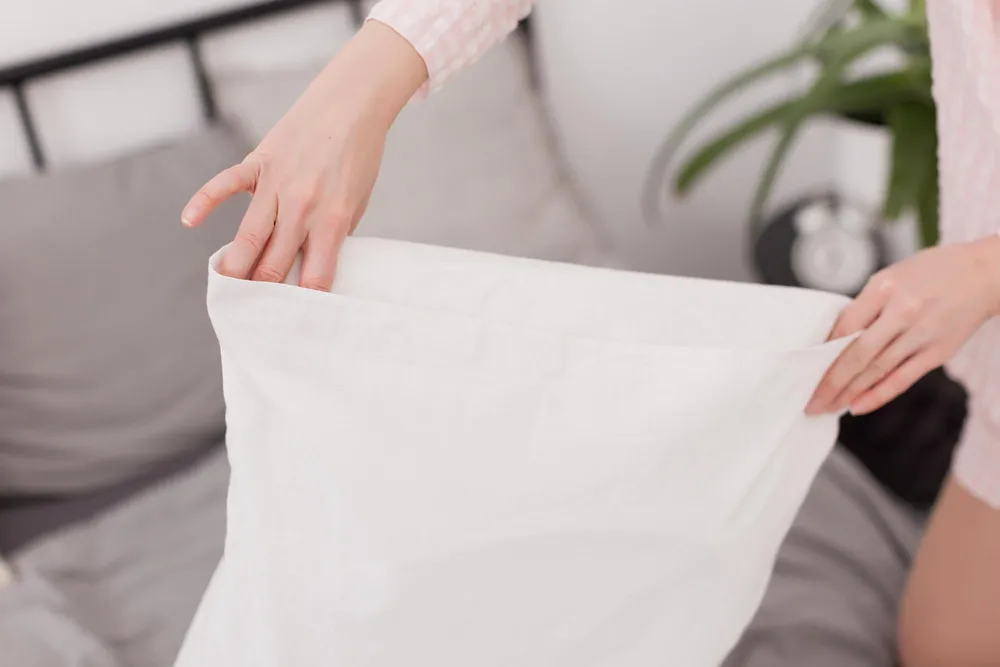
Our queen size pillow cases are 100% all-natural cotton and 100% washable.
ENJOY THE GIFT OF A LIL ANGEL’S NIGHT.
The average person spends 26 years asleep and another 7 years trying to fall asleep. It’s time to stop trying.
“
★★★★★
“I’ve been using the Lil Angel Pillows Altai (Queen Size) for a few nights now, and I’m already noticing a difference in how I sleep and wake up.”
R
— RON
“Super soft and squishy. Love the lumbar roll on one side, makes it versatile for head, neck, back, arm, or legs… very comfy!”
C
— Christie C
“Helped my daughter’s neck pain from the first night. She can’t sleep without it now.”
L
— LL
“Memory foam for neck support, good shape and height. Improved my sleep a lot.”
B
— Bubba
Lil Angels – Patented Memory Foam Pillow
Lil Angels is a slow rebound memory foam pillow, specially designed to fit the curve of your neck and support your head, whether you sleep on your back, side, or stomach.
With its patented design and manufacturing, Lil Angels helps maintain a neutral spine, meeting chiropractic standards for disc rehydration, relieving cervical tension, axial neck pain, stiffness, migraines, arthritis, and more. It also keeps your airways open to ensure optimal oxygen levels when you need them most.
Lil Angels is a cervical neck pillow designed for enhanced neck support. Whether you’re a back, side or front sleeper, the Lil Angels meets chiropractic standards for relieving pressure on your joints and muscles, and keeping your airway open to ensure sufficiently high oxygen levels when you need them the most.
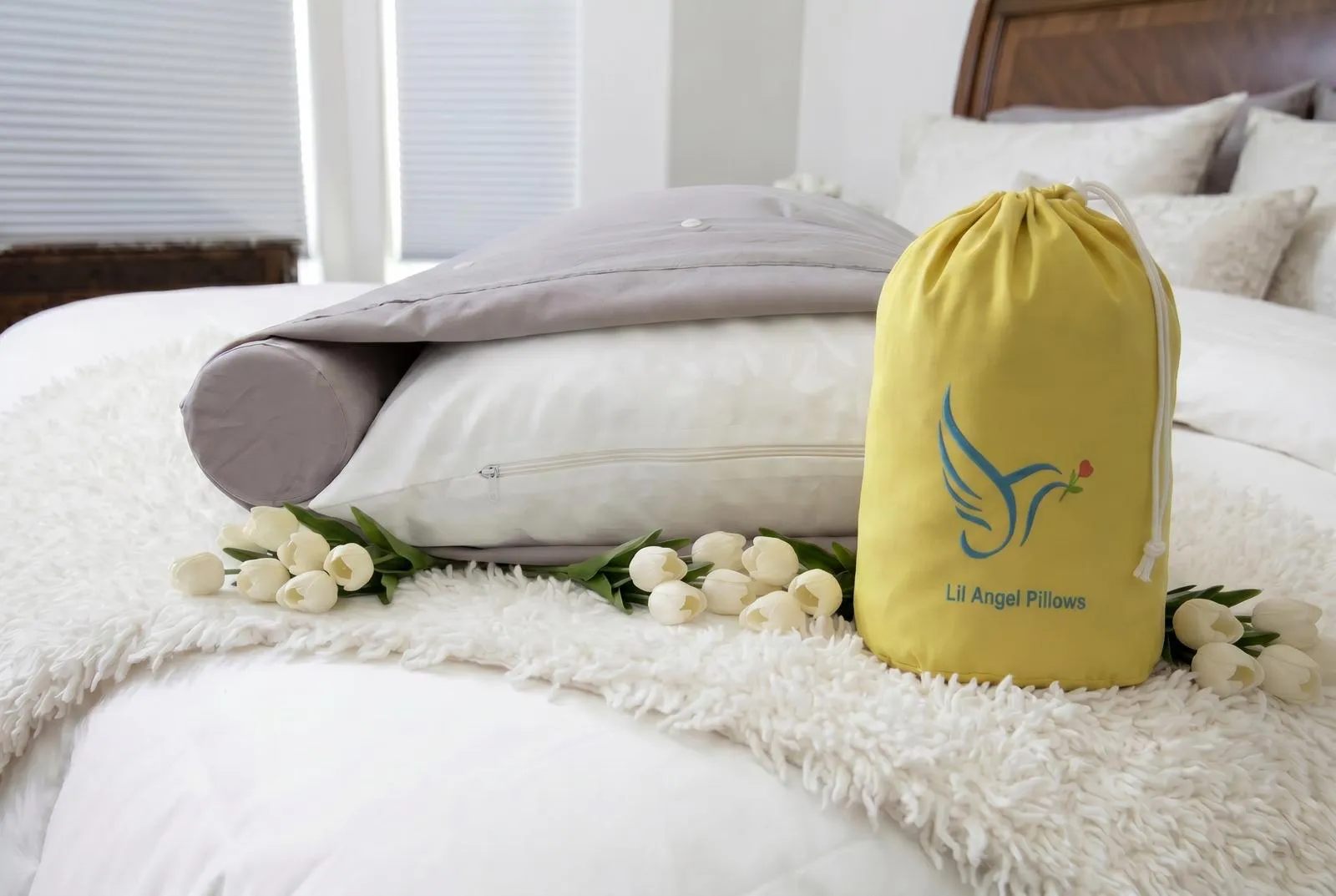
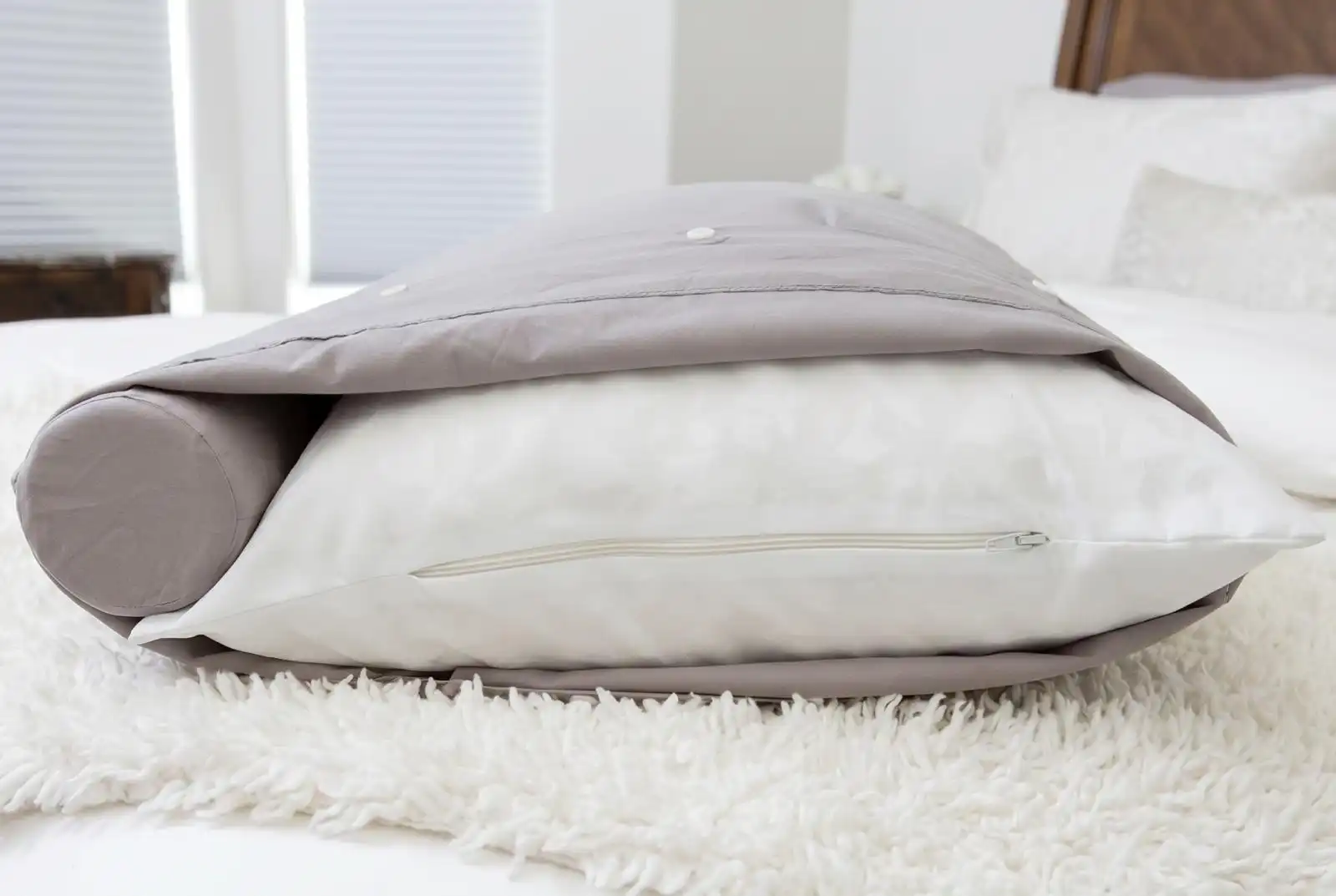
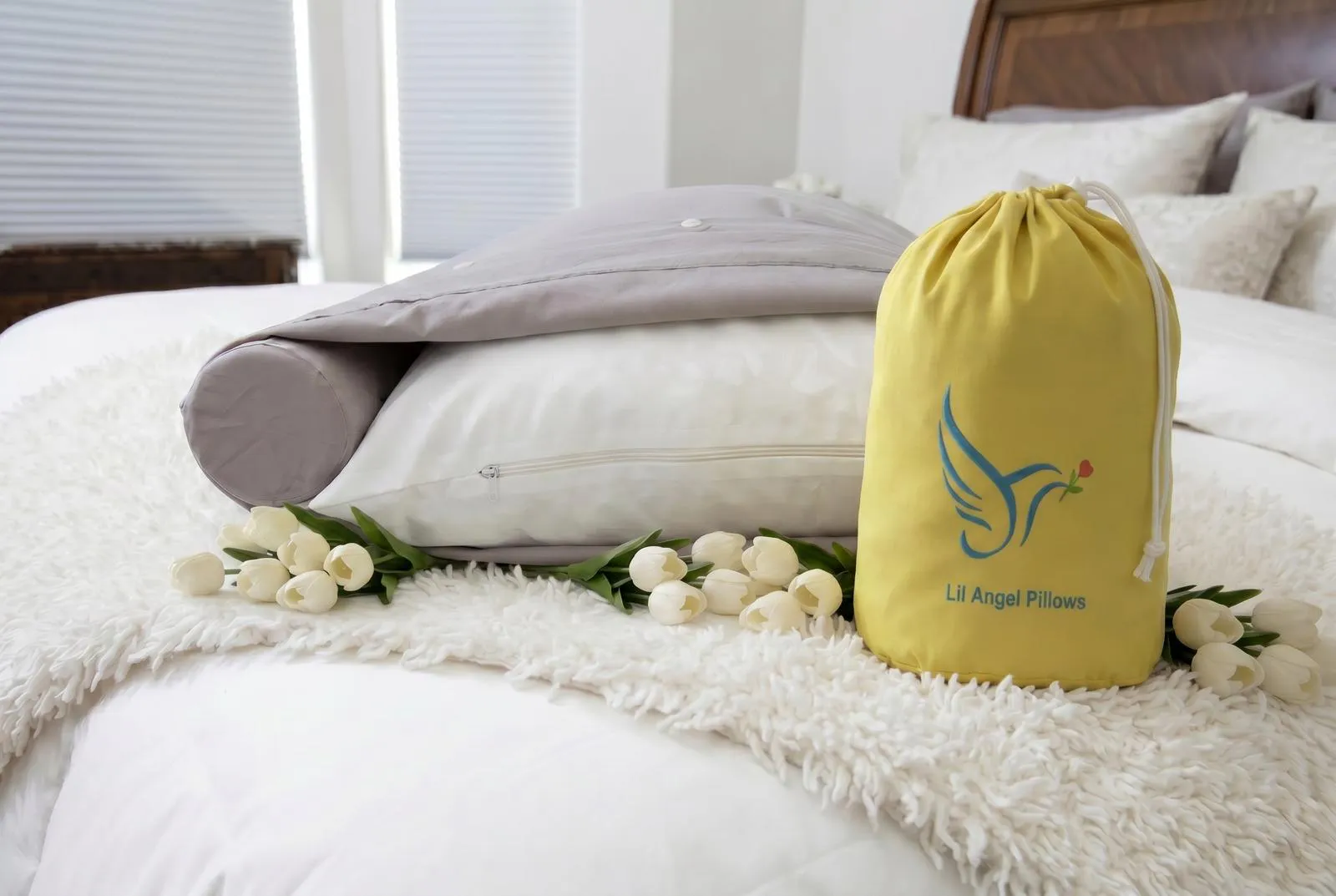
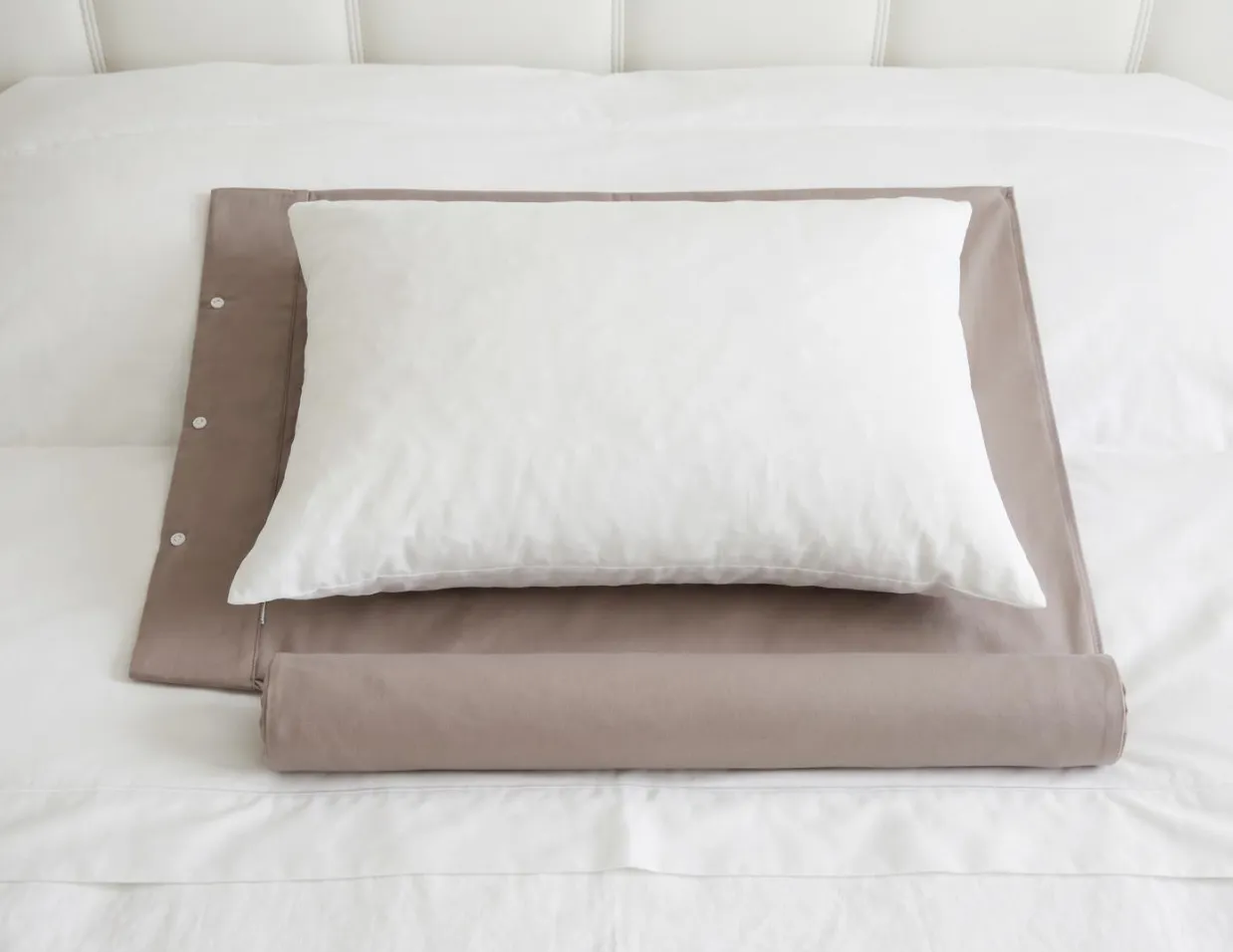
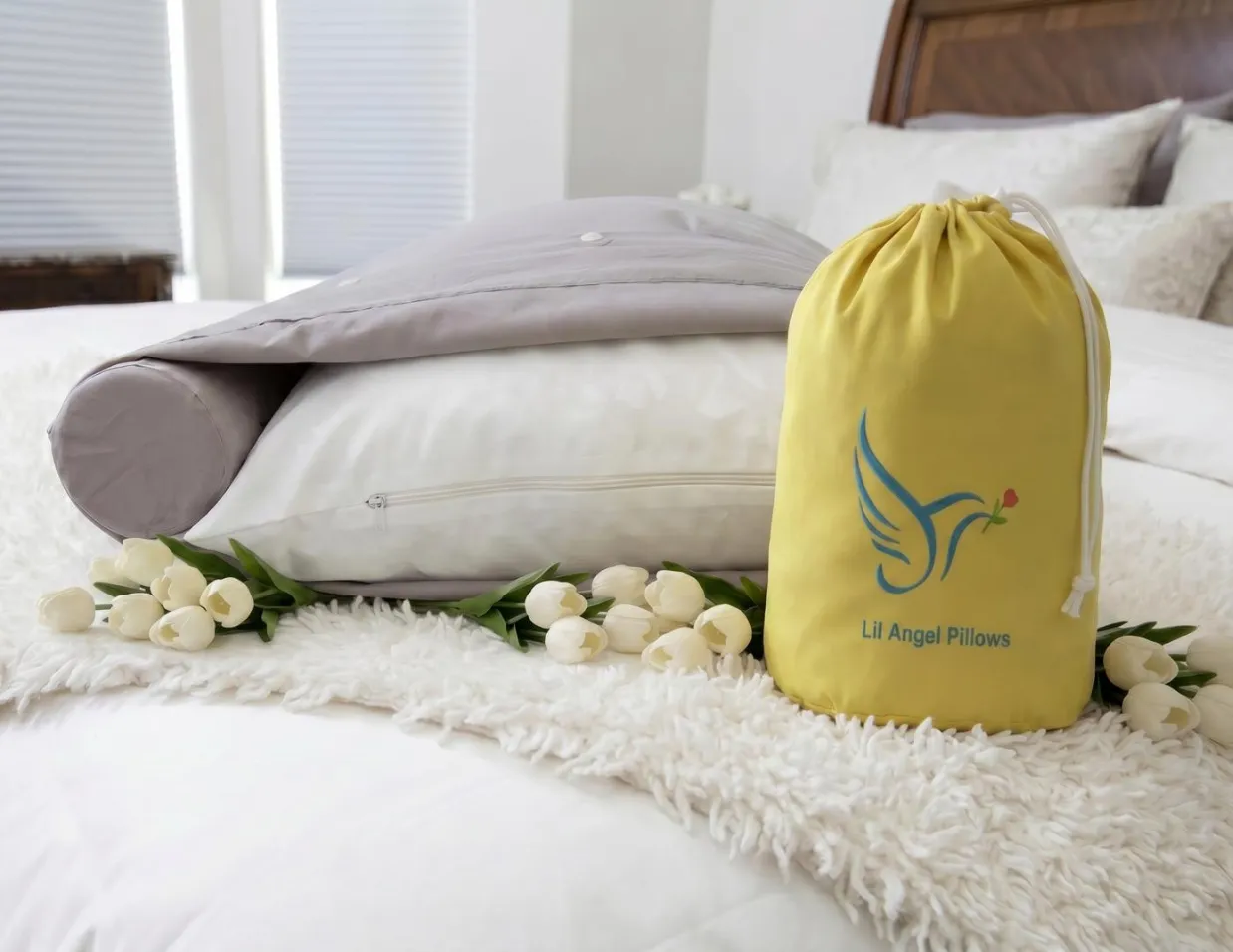
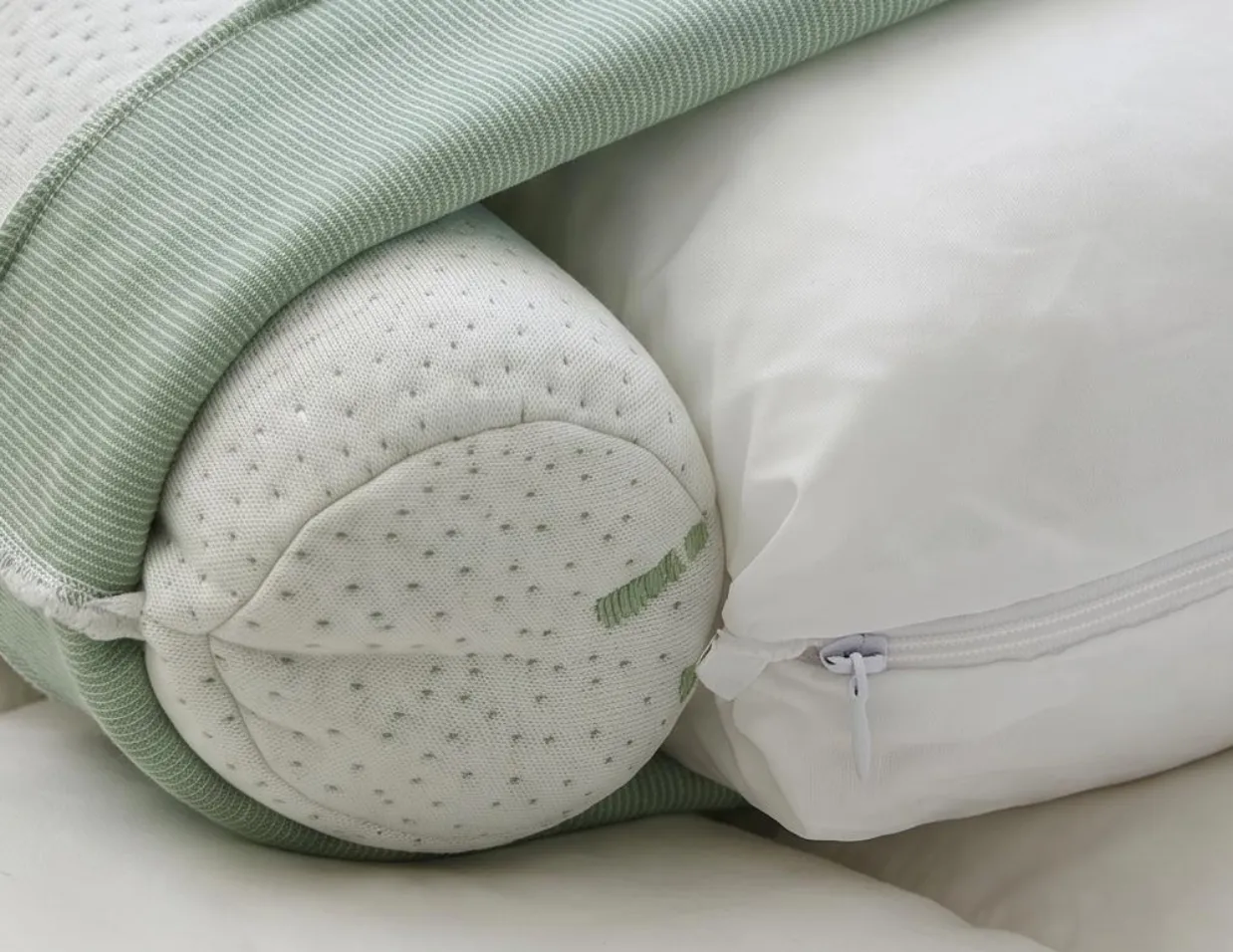
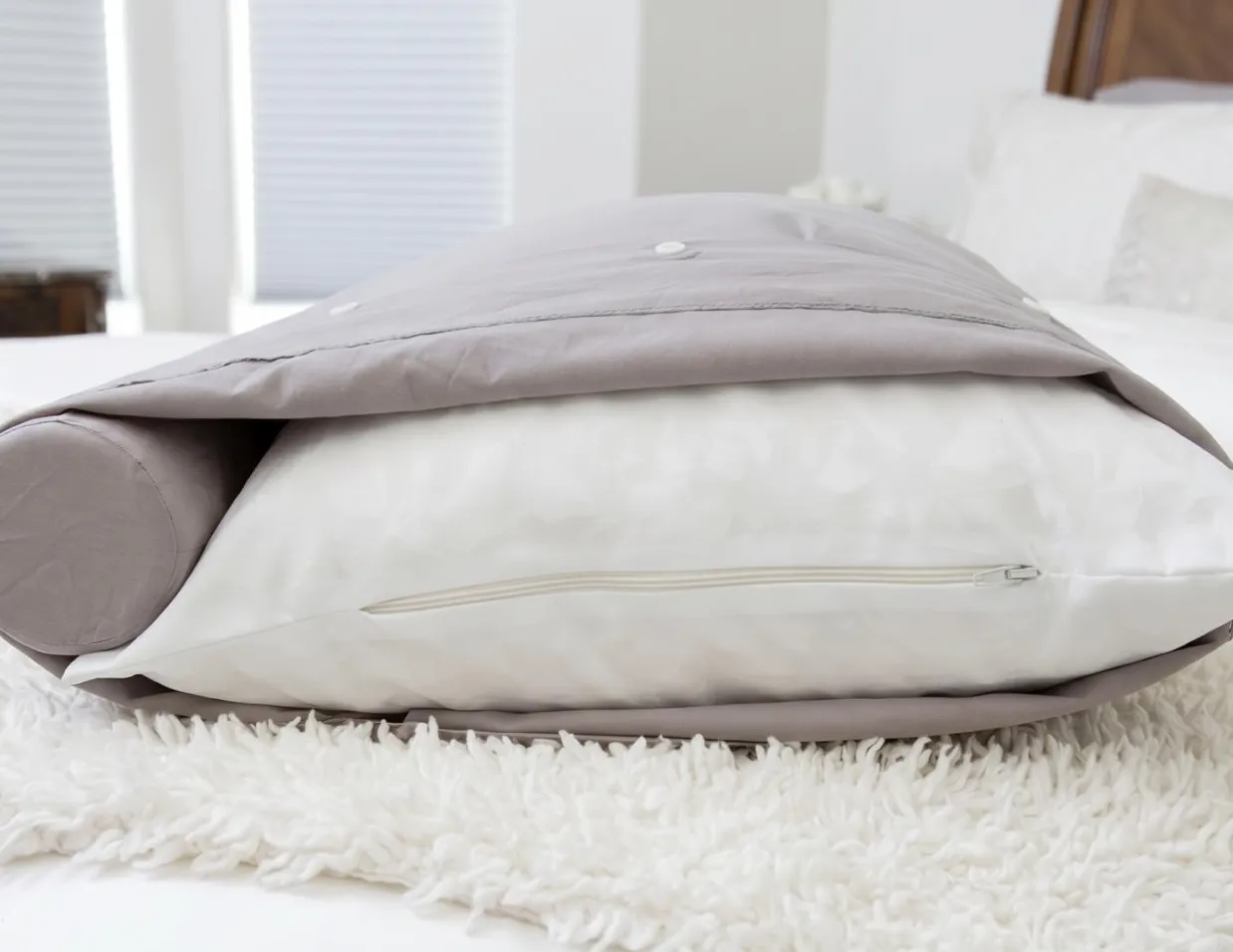
Unlike other neck pillows, however, your Lil Angels comes with its own trademark pillow case, which is equipped with a special pouch along the bottom and an interior zipper to PREVENT YOUR PILLOW FROM MOVING. You can rest peacefully, knowing your neck will be cradled and supported the whole night through.
The average person spends 26 years asleep and another 7 years trying to fall asleep. It’s time to stop trying. Your body is built a certain way and if you don’t listen to your body’s needs then it will start to hurt. A balanced or neutral posture is important and posture means spinal alignment.
By maintaining a neutral spine, our medical grade Lil Angels allows for disc rehydration, reduces tension on your upper body and alleviates cervical tension, axial neck pain, stiffness, migraines, arthritis, cervical radiculopathy, cervical myelopathy, and more.
Ergonomics is the art of conforming your surroundings to what’s best for you. We use no synthetic materials and no blends. Our pillow cases are 100% cotton, 100% washable and made of memory foam to give you the highest quality of support.
Lil Angel pillows comes in three different diameters, S, M, and L, each size proportioned to fit your body type. And our zippers are always on the INSIDE, where you will never feel them.
Sometimes it takes a while for right to feel right. Try resting on your Lil Angels for ten minutes during the day. If you’re still not ready for the change at night, flip the pillow over and you can try again another time. If after 2 weeks you are unsatisfied, you can return your Lil Angels for a full refund. Because we respect your dreams.
MEDICAL GRADE CERVICAL PILLOW
Lil Angels – Patented Memory Foam Pillow
Experience better sleep with the Lil Angels Memory Foam Pillow, thoughtfully designed to support the natural curve of your neck and provide balanced comfort throughout the night. Its slow-rebound memory foam gently contours to your head and neck, helping maintain proper spinal alignment while reducing pressure points. Whether you sleep on your back, side, or stomach, its ergonomic design offers consistent support for a more comfortable and restful sleep experience.
Your sleeping position matters, and your pillow should adapt to your needs. Lil Angels combines an ergonomic cervical design with slow-rebound memory foam to provide targeted support where you need it most. Its carefully shaped structure helps keep your head and neck comfortably positioned, so you can enjoy a more balanced and relaxing sleep every night.
Available in three sizes to accommodate different body types and sleeping preferences.
100% washable
Designed with a removable pillow cover that can be easily washed for everyday freshness and hygiene.
Slow-Rebound Memory Foam
Contoured memory foam designed to provide consistent support for your head and neck.
Our Pricing Table
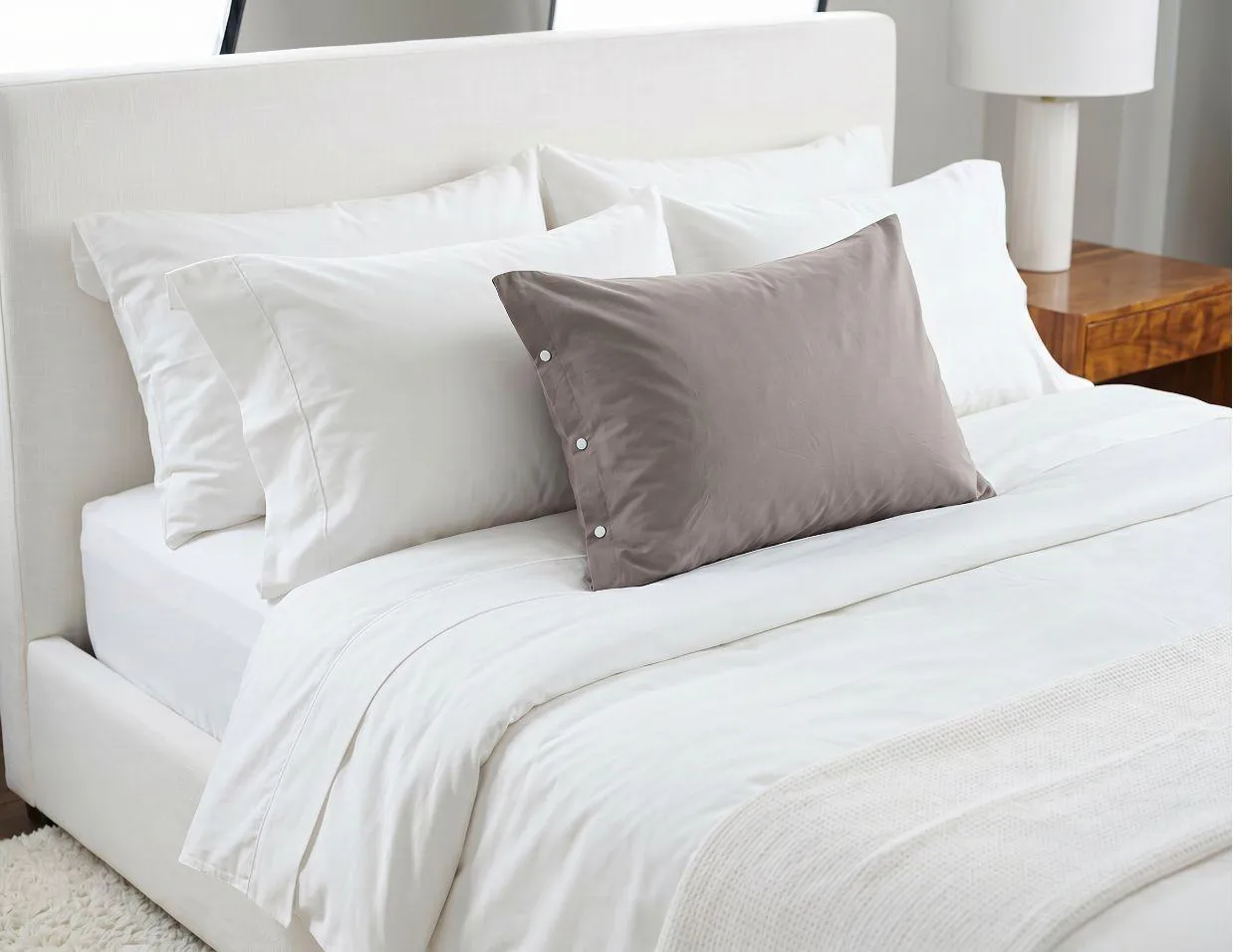
The Lil Angels’s pillow comes with its own queen-sized pillowcase, made of premium quality, microfiber materials that are both hypoallergenic and ecofriendly, perfect for the most sensitive skin. It also features a pouch along the bottom length where your Lil Angels’s pillow locks in place with an interior zipper. This allows you to keep the pillow of your choice and still enjoy a good night.
Thank you for choosing your Lil Angels Adjustable Neck Support Pillow.
Step 1:Unbox & Breathe
When you open your brand-new pillow, take it out of the box and let it breathe. Fluff it gently and let it sit in open air overnight. This helps it expand to its full shape.
Step 2:Find Your Perfect Position
This pillow is 100% adjustable to your body shape.
Lay your neck on the cylinder side. Once you feel your head fall back comfortably — that’s your perfect position. This is the adjustment for your body size.
You can re-adjust anytime based on how you feel that night.
Step 3:Understand the Firmness
The cylinder side is intentionally firm. This is for proper support.
With use, it may feel softer as you become accustomed to the firm support. This is normal.
Step 4:Flip for Your Mood
Want a different feel?
Cylinder Side: Designed to provide neck support and help maintain a comfortable sleeping position.
Flat Side: Flip it over for a classic, regular pillow feel.
Flip it back to the cylinder side anytime you want full neck support.
Yes. Memory foam naturally softens with use. This is normal and usually happens in two main stages: the initial break-in period and long-term foam fatigue.
When memory foam is new, it can feel firmer at first. During the first 30 to 60 nights, your body heat and pressure help the foam adjust and conform to your shape. Most memory foam products may feel about 10–20% softer after the first 2–4 weeks compared to day one.
This is not a defect. It is part of the normal break-in process.
Over time, memory foam can experience what is known as foam fatigue. This happens when the internal cell structure of the foam slowly breaks down from repeated compression. Depending on the quality of the foam and how often it is used, this can happen over 2 to 8 years.
Not always. Some softening during the first few weeks is normal and can actually make the product more comfortable as it adapts to your body. However, if the foam becomes too soft, loses support, or causes discomfort, it may be a sign that it is wearing out.
Memory foam can last anywhere from 2 to 8 years, depending on the foam quality, density, body weight, usage, and care. Higher-quality foam usually keeps its shape and support longer.
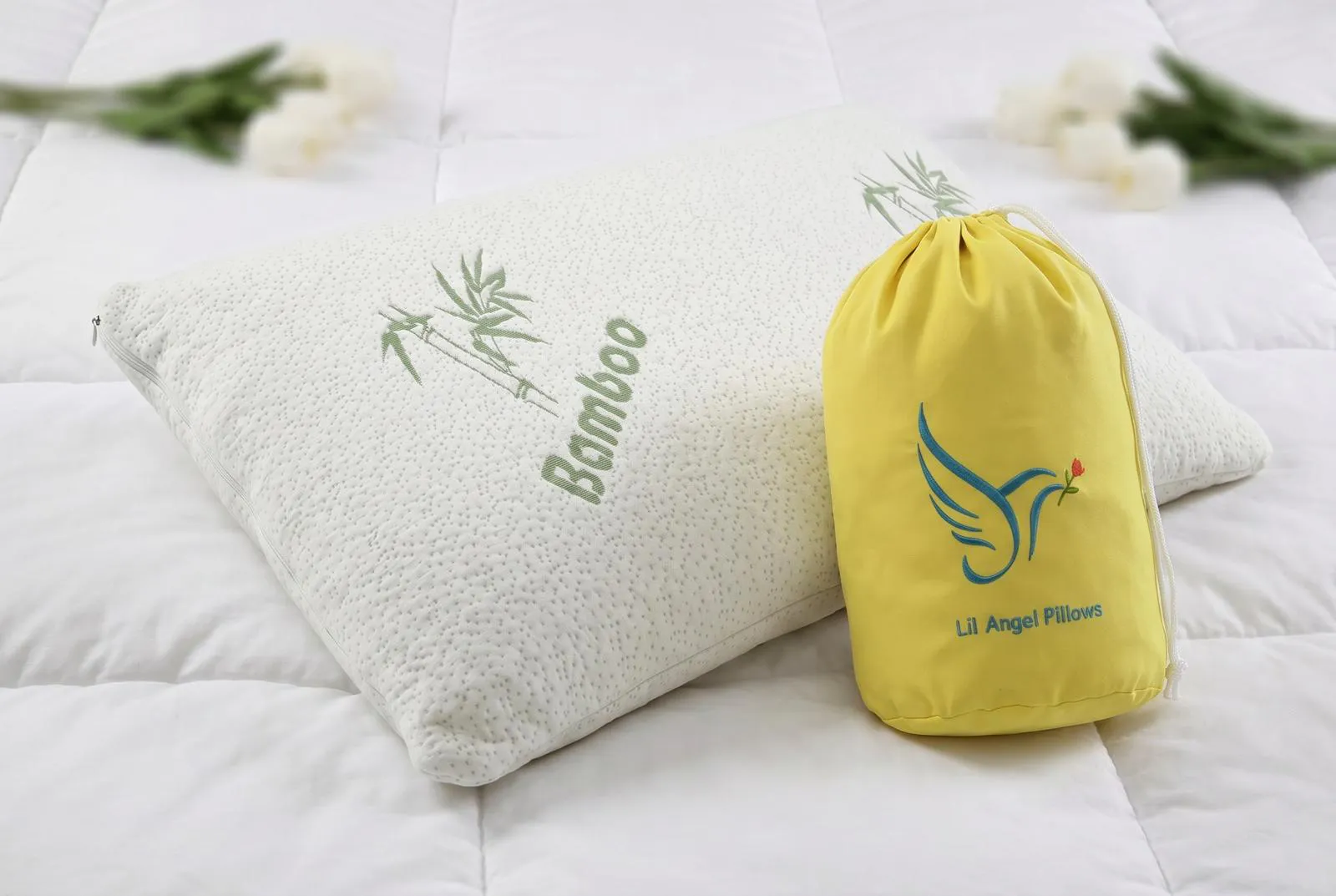
When improving sleep quality, most people focus on mattresses or pillows, but often overlook an equally important component: the pillow cover. Bamboo pillow covers have gained popularity because they combine comfort, health benefits, and sustainability in a single solution. Since pillow covers remain in direct contact with the skin and hair for several hours each night, their material directly affects temperature, hygiene, and overall sleep experience. Choosing the right fabric can therefore create a gradual but meaningful improvement in how you rest over time.
BREATHABILITY: how bamboo regulates temperature
One of bamboo’s most important characteristics is its breathability. Unlike many synthetic fabrics, bamboo fibers allow better airflow, which helps maintain a stable temperature throughout the night. This reduces moisture buildup and prevents overheating, particularly for individuals who tend to sleep hot or live in warm environments. As a result, the sleep environment becomes more balanced, supporting deeper and more consistent sleep cycles. Over time, this type of thermal regulation not only enhances immediate comfort but also contributes to improved sleep quality overall.
HYGIENE: hypoallergenic properties
Another key advantage of bamboo pillow covers is their ability to promote a cleaner sleep environment. Bamboo naturally resists bacteria and common irritants, helping reduce the presence of dust mites, mold, and allergens. This makes bamboo covers particularly beneficial for individuals with allergies, asthma, or sensitive skin, as they minimize prolonged exposure to irritants during sleep. By maintaining a cleaner surface, bamboo pillow covers support both comfort and respiratory well-being, reinforcing their role beyond simple protection.
COMFORT: functional softness for skin and hair
Bamboo fabric is widely appreciated for its softness, but its value extends beyond tactile comfort. Its smooth surface reduces friction between the fabric and both skin and hair, which can help prevent sleep lines and maintain a more even skin appearance. For hair, reduced friction translates into less frizz, fewer tangles, and minimized breakage. This makes bamboo pillow covers a practical addition to a nighttime routine, offering passive care benefits without requiring additional products or effort.
SUSTAINABILITY: environmental impact
From an environmental perspective, bamboo is considered one of the most sustainable textile resources. It grows rapidly without the need for constant replanting, requires less water than traditional crops, and typically involves fewer pesticides. Additionally, bamboo regenerates naturally, making it a highly renewable material. For consumers seeking more responsible options, bamboo pillow covers represent a practical way to align everyday choices with environmental awareness.
PRACTICALITY: what to consider before choosing
Despite its advantages, there are important considerations before purchasing bamboo pillow covers. Not all products are made from 100% bamboo; some are blended with other materials, which can alter breathability, softness, and durability. Checking the fabric composition ensures that expectations align with the actual product. Proper care is also essential to maintain performance. Washing in cold water, using mild detergents, and avoiding high heat drying help preserve the fabric’s natural qualities. Without appropriate care, the fibers may degrade over time, reducing effectiveness.
SATISFACTION: integrating bamboo into your sleep routine
The benefits of bamboo pillow covers become more noticeable with consistent use. Over time, users often experience improved temperature comfort, a fresher sleep surface, and reduced irritation. To maximize these benefits, it is advisable to pair the cover with a supportive pillow and maintain a regular cleaning routine. Paying attention to how your body responds can also help determine whether the material meets your specific needs.
A practical and responsible choice Bamboo pillow covers offer a balanced combination of comfort, hygiene, and sustainability. Their ability to regulate temperature, provide a cleaner sleep surface, and reduce friction for skin and hair makes them a functional upgrade for better sleep. In addition, their low environmental impact supports a more responsible consumption approach. Overall, they represent a simple yet effective way to enhance sleep quality over time.
When you think about truly restorative sleep, your cervical pillow plays a bigger role than you realize. The right cervical pillow supports your neck, keeps your spine aligned, and directly affects how rested you feel every morning.
Embrace your pillow’s lifespan
At Lil Angel Pillows, we believe that understanding your cervical pillow is the first step to sleeping better. When you know how long a orthopedic pillow can truly serve you, you can protect your investment and avoid waking up with “mysterious” neck pains. Pillow lifespan becomes part of your sleep routine, just like washing your sheets or dimming the lights before bed. Sleep experts generally recommend replacing most pillows around every one to two years, because support, hygiene, and comfort slowly decline with daily use.Fillings compress, fabrics absorb sweat and oils, and tiny particles accumulate in the layers closest to your face. Even if your pillow still looks fine at a glance, it may no longer be doing its job as quietly and efficiently as it did when it was new.
PERFORMANCE: how long can a cervical pillow really support you?
The first dimension of lifespan is performance. A new pillow should hold your head at the right height, keep your neck in a neutral position, and help your cervical spine stay aligned. Over time, you might notice that you need to fold, punch, or stack your pillow to feel supported. That is your body telling you that the internal structure is breaking down.
Different materials age at different speeds. Basic synthetic-fill pillows often feel wonderful for a short time, then quickly become flat or uneven. Standard memory-foam pillows tend to last longer, but softer foams can sag with constant pressure. Premium foams and latex are more resilient and can stay supportive for several years when cared for properly.
COMFORT: why the rigth cervical pillow is more than softness
Comfort is not just softness. Real comfort is the combination of softness and correct support. A very soft pillow that collapses under the weight of your head may feel cozy at first, but if it allows your neck to bend out of alignment, it can eventually cause stiffness or headaches. As your Orthopedic pillow ages, that balance changes. You may catch yourself waking up to adjust the pillow or pushing it into strange shapes just to feel okay. Those are clear signs that your pillow is past its comfort peak and probably past its ideal lifespan.
PRACTICALITY: hygiene, allergies, and real-life use
Practical lifespan is also about hygiene. Cervical pillows rest very close to your nose, mouth, eyes, and skin for hours every night. Over months and years, they naturally collect sweat, skin oils, dead skin cells, and dust, which can be especially troublesome for people with allergies, asthma, or sensitive skin.
Using a protective zippered cover and washing your pillowcase weekly extend the life of the pillow and keep it fresher. But even with good care, no pillow can last forever in terms of cleanliness. If you notice yellow stains, a musty smell, or more sneezing and congestion at night, your pillow may be telling you that its practical lifespan has ended, even if it still feels reasonably comfortable.
SATISFACTION: how to help your cervical pillow live its best years
Use a high-quality pillow protector under your pillowcase to block sweat and dust from reaching the core.
Follow the care instructions—some fills can be machine washed, while solid memory foam should be spot-cleaned only.
Every few months, check: does it still cradle your neck, or do you wake up hunting for a comfortable position?
SATISFACTION: listen to how your body wakes up
The most important measure of pillow lifespan is not the date of purchase; it is the way you feel when you wake up. If your pillow is fairly new but you already notice a tight neck, a dull headache, or tension in your shoulders, it may not be the right shape or material for you. If your cervical pillow is a few years old and your sleep quality is slowly declining, it may simply be too old to keep doing its job. Your muscles and joints will often tell you the truth long before the pillow looks “old” on the outside.
But in the end, the right moment to replace an orthopedic pillow is whenever it stops helping you wake up well. If you are constantly adjusting it, if your neck hurts in the morning, if allergies flare at night, or if the pillow no longer feels clean and supportive, that is your cue. A pillow is a relatively small upgrade that can transform how every single day begins. That simple decision can change the way you rest.
At Lil Angel Pillows, our goal is to respect both your rest and your investment. That is why we design medical-grade cervical pillows with carefully engineered memory foam, breathable cotton pillowcases, and a unique system that keeps support exactly where your neck needs it all night long. When you choose quality, understand your pillow’s lifespan, and replace it at the right time, you are not just buying a product—you are giving your body the chance to sleep, heal, and wake up the way it was meant to.
Do you sleep poorly? A cervical pillow for sleep apnea and snoring support can change that. Better sleep isn’t just about a great mattress or a dark, quiet room. The pillow under your head keeps your cervical spine aligned for 6–8 hours, influences muscle load in your neck and shoulders, and can even support healthier breathing—especially if you tend to snore on your back. In this guide, you’ll learn why good sleep matters, what obstructive sleep apnea is, how the right pillow helps (and what it can’t do), and exactly what to look for when choosing a pillow that genuinely supports deeper, clearer-breathing rest.
Why good sleep matters
Quality sleep is a health essential, not a luxury. When you consistently get enough good-quality sleep, your body reinforces immune defenses, stabilizes metabolism, protects heart health, and sharpens attention and memory. Public-health guidance recommends at least 7 hours of sleep per night for most adults, along with habits like regular bed/wake times, a cool and quiet room, and a pre-sleep wind-down that limits blue light and mental stimulation. cdc.gov+2odphp.health.gov+2
When sleep becomes fragmented—because of frequent awakenings, poor posture, pain, or untreated breathing problems—your daytime focus and mood suffer. Over time, short or low-quality sleep is linked to higher risks of high blood pressure, diabetes, stroke, and accidents caused by drowsy driving. The takeaway: combining solid sleep hygiene with good nighttime ergonomics (mattress + pillow) reduces micro-arousals, eases musculoskeletal strain, and helps your brain and body cycle through deeper, restorative stages of sleep. cdc.gov
The problem called obstructive sleep apnea (OSA)
Obstructive sleep apnea happens when the upper airway partially or completely collapses during sleep, causing oxygen dips, frequent arousals, and loud snoring or gasping. Untreated OSA is associated with daytime sleepiness, lower cognitive performance, and increased cardiometabolic risk. Proper diagnosis requires sleep testing; evidence-based treatments include PAP/CPAP, oral appliances, positional therapy, weight management, and—in selected cases—surgical options. A qualified sleep specialist determines the right plan for you. pmc.ncbi.nlm.nih.gov
A crucial detail: many people have positional OSA, meaning events are worse on the back (supine). In such cases, strategies that favor side-sleeping can reduce event frequency and daytime sleepiness scores. Positional therapy isn’t a CPAP replacement when PAP is indicated, but meta-analyses and recent trials support it as a helpful adjunct for the right patient profile. Adherence can vary, yet positioning aids—including ergonomically supportive pillows—often make lateral sleep more comfortable and sustainable. Frontiers+2PubMed+2
Medical note:If a partner notices loud snoring, pauses in breathing, choking arousals, or you wake with morning headaches and persistent fatigue, speak to a sleep specialist. A pillow can support better posture and breathing, but it does not diagnose or treat OSA on its own. aasm.org
How the right cervical pillow for sleep apnea can help (and what it can’t do)
A well-designed cervical pillow for sleep apnea can’t replace medical treatment, but it can support better posture and smoother breathing throughout the night. A pillow won’t “cure” apnea or replace clinical care. But the right pillow can create better conditions for smooth breathing and deeper rest by making airway-friendly posture easier to achieve and maintain.
1) It promotes side-sleeping in positional snorers/OSA. Staying lateral can reduce airway collapse in positional cases. A supportive, shaped pillow helps prevent your head from rolling backward and your neck from twisting, so you can remain comfortably on your side without constant readjustment. This supports positional therapy principles and can complement CPAP or oral appliances when appropriate. Frontiers
2) It maintains neutral cervical alignment. Pillow height and contour change cervical angles, muscle activity, and pressure distribution. The wrong height tilts your head, stresses neck structures, and triggers micro-arousals; an appropriate height and ergonomic contour keep your cervical lordosis supported, which feels more natural and reduces strain. Research consistently shows that height and shape materially affect alignment and perceived comfort. pmc.ncbi.nlm.nih.gov+1
4) It can support CPAP comfort. If you use CPAP, a pillow that doesn’t shove the mask or force your head into excessive rotation can improve your comfort and reduce leaks, encouraging longer nightly use. While this is a practical fit insight (rather than a therapy in itself), it aligns with positional and ergonomic evidence.
What to look for when choosing a truly supportive pillow
When you’re choosing cervical pillow for sleep apnea, three details matter most: height, ergonomic contour, and material that keeps your neck in neutral alignment.
Height (priority #1).
Side-sleepers: choose enough loft to bridge the shoulder-to-ear gap so your head doesn’t tip toward the mattress or crane upward.
Back-sleepers: aim for neutral—chin neither tucked nor pitched up; your nose should point to the ceiling, and your neck curve should feel supported, not suspended. Multiple biomechanical studies show that pillow height directly affects cervical alignment and comfort; getting this right is your biggest win. pmc.ncbi.nlm.nih.gov+1
Ergonomic contour (shape). Wave-style or contoured designs support the natural cervical curve. If you shift between side and back, look for two heights—a higher edge for lateral sleep and a medium edge for supine—so rolling doesn’t cost you alignment. The Open Public Health Journal
Material (support feel). Memory foam (viscoelastic) molds to your neck and head, distributing pressure evenly and helping you maintain a neutral posture longer through the night. Many modern cores add ventilation channels or cooling infusions to offset heat buildup, but fit still matters more than any single material feature. aasm.org
Breathable, washable cover. Choose a removable, machine-washable cover in breathable textiles (e.g., cotton or bamboo-derived rayon). Clean covers limit allergens and keep the sleep surface fresher—important for uninterrupted sleep and less nighttime overheating. aasm.org
Care and longevity. Don’t machine-wash a solid memory-foam core. Instead, vacuum periodically, spot-clean with mild detergent, and air-dry thoroughly. Wash the cover frequently. Authoritative consumer-sleep resources and cleaning experts note that machine agitation, excess water, and high heat can damage foam or promote mold; air-drying fully is essential before reuse. For more details on how long pillows last, see our guide to cervical pillow lifespan. Sleep Foundation+2The Spruce+2
A 2-minute home fit-check
Side-sleepers: lie on your side and have someone take a photo from shoulder height. Your nose, sternum, and spine should appear aligned; the pillow should “fill” the shoulder-to-ear space without hiking your head upward.
Back-sleepers: from a side photo, your chin shouldn’t drift toward your chest or the ceiling. The back of the head is supported, and the neck’s natural curve rests into the pillow’s contour.
If you wake with trapezius tightness, tingling hands, or you constantly punch/stack your pillow, your height or contour likely needs adjustment. Start by altering height a small step up or down; if that fails, change shape. pmc.ncbi.nlm.nih.gov
Signs your current cervical pillow for slepp apnea may be harming you
Morning neck stiffness or a “crick” that eases after moving around.
You have to fold, punch, or stack pillows to get comfortable.
Snoring worsens on your back, and your pillow doesn’t help you stay on your side.
With CPAP, your mask leaks because the pillow pushes it or forces your head into awkward angles.
You feel hot around the head/neck or notice persistent odors—signs of poor breathability or hygiene.
When several apply, it’s time to rethink height, contour, and materials, and consider a breathable cover plus a protector for easy maintenance. aasm.org
Putting it all together (and what a medical-grade cervical pillow for sleep apnea should offer)
The ideal cervical pillow for sleep apnea should make side-sleeping easier, keep your neck neutral, and work with CPAP or other treatments instead of fighting them.A medical-grade cervical pillow designed for both side- and back-sleepers usually includes:
A contoured memory-foam core for progressive support and pressure distribution, helping maintain neutral alignment across positions. aasm.org
Two edge heights—higher for lateral, medium for supine—to accommodate different shoulder widths and reduce mid-night repositioning struggles. e-neurospine.org
A breathable, removable cover (cotton or bamboo-derived rayon) that’s easy to wash and feels cooler against skin. aasm.org
CPAP-friendly edges that don’t shove the mask when you roll, minimizing leaks and helping you stay comfortable longer (a practical fit benefit aligned with positional strategies). Frontiers
When you present your product page or blog imagery, show measurements clearly (edge heights in cm/in), specify who each height fits (narrow/average/broad shoulders), and include position guidance (side vs. back). That kind of transparent, educational content matches what search engines call “helpful” content and increases buyer confidence.
FAQ
Will a pillow fix sleep apnea? No. A pillow supports airway-friendly posture and can help you maintain side-sleeping if your apnea or snoring is positional. But OSA requires clinical evaluation and, where indicated, therapies like CPAP or oral appliances. pmc.ncbi.nlm.nih.gov
Can a pillow reduce snoring? If snoring is positional, staying on your side often helps. A supportive contour makes that posture easier and more comfortable overnight, so you’re less likely to flip onto your back. Frontiers
Is memory foam the best material? It’s popular because it contours and spreads pressure; many versions add ventilation to sleep cooler. Still, fit (height + shape) matters more than fill alone. aasm.org
How do I care for a memory-foam pillow? Do not machine-wash the foam. Vacuum regularly, spot-clean gently, and air-dry completely. Wash removable covers frequently to control allergens and odors. Sleep Foundation+1
A gentle next step
If you often wake stiff, stack pillows to feel supported, or find your snoring worse on your back, consider upgrading to a contoured cervical pillow that matches your shoulder width and primary sleep posture. Combine that with consistent sleep habits and, if needed, a conversation with a sleep professional. The result you’re aiming for is simple and powerful: a neutral neck, clearer nighttime breathing, and deeper, more restorative rest.
Ready to upgrade your sleep?
If you’re ready to align your neck, make side-sleeping easier, and breathe more freely at night, choose a contoured cervical pillow that supports neutral posture and feels great to the skin.If you often wake stiff or snore more on your back, upgrading to cervical pillow for sleep apnea that matches your shoulder width and sleep position is a simple next step.