Do you sleep poorly? A cervical pillow for sleep apnea and snoring support can change that. Better sleep isn’t just about a great mattress or a dark, quiet room. The pillow under your head keeps your cervical spine aligned for 6–8 hours, influences muscle load in your neck and shoulders, and can even support healthier breathing—especially if you tend to snore on your back. In this guide, you’ll learn why good sleep matters, what obstructive sleep apnea is, how the right pillow helps (and what it can’t do), and exactly what to look for when choosing a pillow that genuinely supports deeper, clearer-breathing rest.
Why good sleep matters
Quality sleep is a health essential, not a luxury. When you consistently get enough good-quality sleep, your body reinforces immune defenses, stabilizes metabolism, protects heart health, and sharpens attention and memory. Public-health guidance recommends at least 7 hours of sleep per night for most adults, along with habits like regular bed/wake times, a cool and quiet room, and a pre-sleep wind-down that limits blue light and mental stimulation. cdc.gov+2odphp.health.gov+2
When sleep becomes fragmented—because of frequent awakenings, poor posture, pain, or untreated breathing problems—your daytime focus and mood suffer. Over time, short or low-quality sleep is linked to higher risks of high blood pressure, diabetes, stroke, and accidents caused by drowsy driving. The takeaway: combining solid sleep hygiene with good nighttime ergonomics (mattress + pillow) reduces micro-arousals, eases musculoskeletal strain, and helps your brain and body cycle through deeper, restorative stages of sleep. cdc.gov
The problem called obstructive sleep apnea (OSA)
Obstructive sleep apnea happens when the upper airway partially or completely collapses during sleep, causing oxygen dips, frequent arousals, and loud snoring or gasping. Untreated OSA is associated with daytime sleepiness, lower cognitive performance, and increased cardiometabolic risk. Proper diagnosis requires sleep testing; evidence-based treatments include PAP/CPAP, oral appliances, positional therapy, weight management, and—in selected cases—surgical options. A qualified sleep specialist determines the right plan for you. pmc.ncbi.nlm.nih.gov
A crucial detail: many people have positional OSA, meaning events are worse on the back (supine). In such cases, strategies that favor side-sleeping can reduce event frequency and daytime sleepiness scores. Positional therapy isn’t a CPAP replacement when PAP is indicated, but meta-analyses and recent trials support it as a helpful adjunct for the right patient profile. Adherence can vary, yet positioning aids—including ergonomically supportive pillows—often make lateral sleep more comfortable and sustainable. Frontiers+2PubMed+2
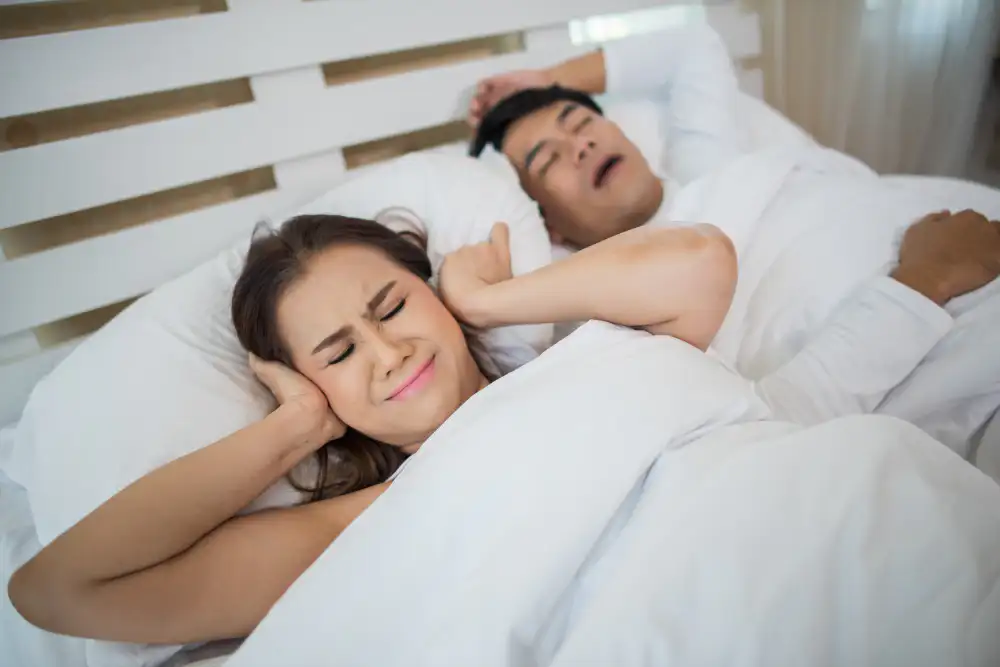
Medical note:If a partner notices loud snoring, pauses in breathing, choking arousals, or you wake with morning headaches and persistent fatigue, speak to a sleep specialist. A pillow can support better posture and breathing, but it does not diagnose or treat OSA on its own. aasm.org
How the right cervical pillow for sleep apnea can help (and what it can’t do)
A well-designed cervical pillow for sleep apnea can’t replace medical treatment, but it can support better posture and smoother breathing throughout the night. A pillow won’t “cure” apnea or replace clinical care. But the right pillow can create better conditions for smooth breathing and deeper rest by making airway-friendly posture easier to achieve and maintain.
1) It promotes side-sleeping in positional snorers/OSA. Staying lateral can reduce airway collapse in positional cases. A supportive, shaped pillow helps prevent your head from rolling backward and your neck from twisting, so you can remain comfortably on your side without constant readjustment. This supports positional therapy principles and can complement CPAP or oral appliances when appropriate. Frontiers
2) It maintains neutral cervical alignment. Pillow height and contour change cervical angles, muscle activity, and pressure distribution. The wrong height tilts your head, stresses neck structures, and triggers micro-arousals; an appropriate height and ergonomic contour keep your cervical lordosis supported, which feels more natural and reduces strain. Research consistently shows that height and shape materially affect alignment and perceived comfort. pmc.ncbi.nlm.nih.gov+1
4) It can support CPAP comfort. If you use CPAP, a pillow that doesn’t shove the mask or force your head into excessive rotation can improve your comfort and reduce leaks, encouraging longer nightly use. While this is a practical fit insight (rather than a therapy in itself), it aligns with positional and ergonomic evidence.
What to look for when choosing a truly supportive pillow
When you’re choosing cervical pillow for sleep apnea, three details matter most: height, ergonomic contour, and material that keeps your neck in neutral alignment.
Height (priority #1).
Side-sleepers: choose enough loft to bridge the shoulder-to-ear gap so your head doesn’t tip toward the mattress or crane upward.
Back-sleepers: aim for neutral—chin neither tucked nor pitched up; your nose should point to the ceiling, and your neck curve should feel supported, not suspended. Multiple biomechanical studies show that pillow height directly affects cervical alignment and comfort; getting this right is your biggest win. pmc.ncbi.nlm.nih.gov+1
Ergonomic contour (shape). Wave-style or contoured designs support the natural cervical curve. If you shift between side and back, look for two heights—a higher edge for lateral sleep and a medium edge for supine—so rolling doesn’t cost you alignment. The Open Public Health Journal
Material (support feel). Memory foam (viscoelastic) molds to your neck and head, distributing pressure evenly and helping you maintain a neutral posture longer through the night. Many modern cores add ventilation channels or cooling infusions to offset heat buildup, but fit still matters more than any single material feature. aasm.org
Breathable, washable cover. Choose a removable, machine-washable cover in breathable textiles (e.g., cotton or bamboo-derived rayon). Clean covers limit allergens and keep the sleep surface fresher—important for uninterrupted sleep and less nighttime overheating. aasm.org
Care and longevity. Don’t machine-wash a solid memory-foam core. Instead, vacuum periodically, spot-clean with mild detergent, and air-dry thoroughly. Wash the cover frequently. Authoritative consumer-sleep resources and cleaning experts note that machine agitation, excess water, and high heat can damage foam or promote mold; air-drying fully is essential before reuse. For more details on how long pillows last, see our guide to cervical pillow lifespan. Sleep Foundation+2The Spruce+2
A 2-minute home fit-check
Side-sleepers: lie on your side and have someone take a photo from shoulder height. Your nose, sternum, and spine should appear aligned; the pillow should “fill” the shoulder-to-ear space without hiking your head upward.
Back-sleepers: from a side photo, your chin shouldn’t drift toward your chest or the ceiling. The back of the head is supported, and the neck’s natural curve rests into the pillow’s contour.
If you wake with trapezius tightness, tingling hands, or you constantly punch/stack your pillow, your height or contour likely needs adjustment. Start by altering height a small step up or down; if that fails, change shape. pmc.ncbi.nlm.nih.gov
Signs your current cervical pillow for slepp apnea may be harming you
Morning neck stiffness or a “crick” that eases after moving around.
You have to fold, punch, or stack pillows to get comfortable.
Snoring worsens on your back, and your pillow doesn’t help you stay on your side.
With CPAP, your mask leaks because the pillow pushes it or forces your head into awkward angles.
You feel hot around the head/neck or notice persistent odors—signs of poor breathability or hygiene.
When several apply, it’s time to rethink height, contour, and materials, and consider a breathable cover plus a protector for easy maintenance. aasm.org
Putting it all together (and what a medical-grade cervical pillow for sleep apnea should offer)
The ideal cervical pillow for sleep apnea should make side-sleeping easier, keep your neck neutral, and work with CPAP or other treatments instead of fighting them.A medical-grade cervical pillow designed for both side- and back-sleepers usually includes:
A contoured memory-foam core for progressive support and pressure distribution, helping maintain neutral alignment across positions. aasm.org
Two edge heights—higher for lateral, medium for supine—to accommodate different shoulder widths and reduce mid-night repositioning struggles. e-neurospine.org
A breathable, removable cover (cotton or bamboo-derived rayon) that’s easy to wash and feels cooler against skin. aasm.org
CPAP-friendly edges that don’t shove the mask when you roll, minimizing leaks and helping you stay comfortable longer (a practical fit benefit aligned with positional strategies). Frontiers
When you present your product page or blog imagery, show measurements clearly (edge heights in cm/in), specify who each height fits (narrow/average/broad shoulders), and include position guidance (side vs. back). That kind of transparent, educational content matches what search engines call “helpful” content and increases buyer confidence.
FAQ
Will a pillow fix sleep apnea? No. A pillow supports airway-friendly posture and can help you maintain side-sleeping if your apnea or snoring is positional. But OSA requires clinical evaluation and, where indicated, therapies like CPAP or oral appliances. pmc.ncbi.nlm.nih.gov
Can a pillow reduce snoring? If snoring is positional, staying on your side often helps. A supportive contour makes that posture easier and more comfortable overnight, so you’re less likely to flip onto your back. Frontiers
Is memory foam the best material? It’s popular because it contours and spreads pressure; many versions add ventilation to sleep cooler. Still, fit (height + shape) matters more than fill alone. aasm.org
How do I care for a memory-foam pillow? Do not machine-wash the foam. Vacuum regularly, spot-clean gently, and air-dry completely. Wash removable covers frequently to control allergens and odors. Sleep Foundation+1
A gentle next step
If you often wake stiff, stack pillows to feel supported, or find your snoring worse on your back, consider upgrading to a contoured cervical pillow that matches your shoulder width and primary sleep posture. Combine that with consistent sleep habits and, if needed, a conversation with a sleep professional. The result you’re aiming for is simple and powerful: a neutral neck, clearer nighttime breathing, and deeper, more restorative rest.
Ready to upgrade your sleep?
If you’re ready to align your neck, make side-sleeping easier, and breathe more freely at night, choose a contoured cervical pillow that supports neutral posture and feels great to the skin.If you often wake stiff or snore more on your back, upgrading to cervical pillow for sleep apnea that matches your shoulder width and sleep position is a simple next step.
When improving sleep quality, most people focus on mattresses or pillows, but often overlook an equally important component: the pillow cover. Bamboo pillow covers have... Continue reading
When you think about truly restorative sleep, your cervical pillow plays a bigger role than you realize. The right cervical pillow supports your neck, keeps... Continue reading
A practical, evidence-informed guide to posture, side-sleeping, and choosing a cervical pillow that supports clearer breathing and deeper rest. Features (bamboo & cotton cover options)... Continue reading
Achieving a restful night’s sleep not only offers a chance for your body to rejuvenate and heal but also minimizes post-lunch fatigue. While various factors... Continue reading
While many of us recognize the importance of a comfortable and supportive mattress for achieving quality sleep, it’s equally essential to acknowledge the role that... Continue reading










Add comment